Summer is the season most of us look forward to all year. More time outdoors, longer days, and plenty of sunshine. But all that heat and sun exposure comes with a downside for your skin. The combination of UV rays, humidity, sweat, and high temperatures creates the perfect conditions for a handful of very common skin problems.
Here are three skin issues that flare up most often in summer, what causes them, and exactly what you can do about them.
Sunburn
Sunburn is the most well-known summer skin issue and also one of the most preventable. It occurs when the skin is exposed to UV radiation for longer than it can handle, triggering an inflammatory response that causes the characteristic redness, heat, and pain.
Symptoms of Sunburn
Redness is usually the first sign. The skin turns pink to deep red depending on the severity of exposure. This is the skin’s inflammatory response to UV damage.
Pain and tenderness follow as nerve endings in the skin become irritated. Even light touch on sunburned skin can feel uncomfortable.
Swelling can occur in more intense cases, particularly on the face and shoulders where sun exposure is most direct.
Blisters indicate a more severe sunburn where the damage has reached deeper layers of the skin. Blisters should never be popped as they protect the healing skin underneath and breaking them increases the risk of infection.
How to Prevent Sunburn
- Apply a broad-spectrum sunscreen with SPF 30 or higher at least 30 minutes before going outdoors and reapply every two hours, more frequently if you are swimming or sweating
- Wear lightweight, loose-fitting clothing that covers the arms and legs when spending extended time outdoors
- Seek shade during peak UV hours, which are typically between 10am and 4pm
- Wear a wide-brimmed hat and UV-protective sunglasses for additional face and eye protection
How to Treat Sunburn
- Aloe vera gel is one of the most effective and accessible treatments for sunburned skin. It has anti-inflammatory and cooling properties that reduce redness and soothe the burning sensation. Keeping the gel refrigerated before applying makes it even more effective.
- Cool baths with added colloidal oatmeal or baking soda help calm the itch and discomfort of sunburn. Avoid hot water as it worsens inflammation. Pat the skin gently dry rather than rubbing.
- Moisturise as soon as possible after cooling the skin down. Sunburn causes significant moisture loss and a gentle, fragrance-free moisturiser with ingredients like aloe vera, ceramides, or hyaluronic acid helps the skin repair and stay hydrated during recovery.
- Hydrate internally by drinking plenty of water throughout the day. Sunburned skin loses moisture rapidly and staying well-hydrated from within supports faster healing.
- Over-the-counter pain relief such as ibuprofen can help manage pain and reduce inflammation if the sunburn is particularly severe. Always follow the recommended dosage instructions.
Heat Rash (Prickly Heat)
Heat rash, commonly known as prickly heat, develops when sweat becomes trapped under the skin due to blocked sweat ducts. Instead of evaporating normally, the sweat accumulates beneath the surface and causes small, irritated bumps to form. It is most common in hot and humid conditions and tends to affect areas where skin rubs together or where clothing fits closely.
Identifying Heat Rash
Heat rash typically presents as:
- Small red or pink bumps that create a prickling or stinging sensation, which is where the name prickly heat comes from
- Clusters of bumps that appear in areas like the neck, underarms, back, chest, and inner thighs
- Mild blistering in more severe cases
- Redness and warmth in the affected area
- Increased itching and discomfort after physical activity or in hot environments
How to Prevent Heat Rash
- Wear loose, breathable clothing made from natural fabrics like cotton that allow air to circulate and sweat to evaporate
- Avoid tight clothing that traps heat and moisture against the skin
- Stay in cool, shaded or air-conditioned environments during the hottest parts of the day
- Shower after sweating to clear the sweat ducts and keep the skin clean
- Stay well-hydrated to support your body’s natural cooling processes
Home Remedies for Heat Rash
- Keep the skin cool and dry. This is the single most important step. Move to a cooler environment, remove excess clothing, and allow the skin to breathe. Heat rash almost always improves on its own once the skin cools down and dries out.
- Aloe vera gel works equally well for heat rash as it does for sunburn. Its soothing, anti-inflammatory properties calm the itching and reduce redness. Apply a thin layer to the affected area and allow it to absorb without rubbing in.
- Calamine lotion is a classic remedy for itchy skin and works well on heat rash. It has a cooling effect and helps dry out the rash without further irritating the skin.
- Cold compresses applied to the affected area for 10 to 15 minutes at a time provide immediate relief from itching and discomfort.
Avoid thick, heavy creams or ointments on areas affected by heat rash as they can further block sweat ducts and worsen the condition.
Acne Breakouts
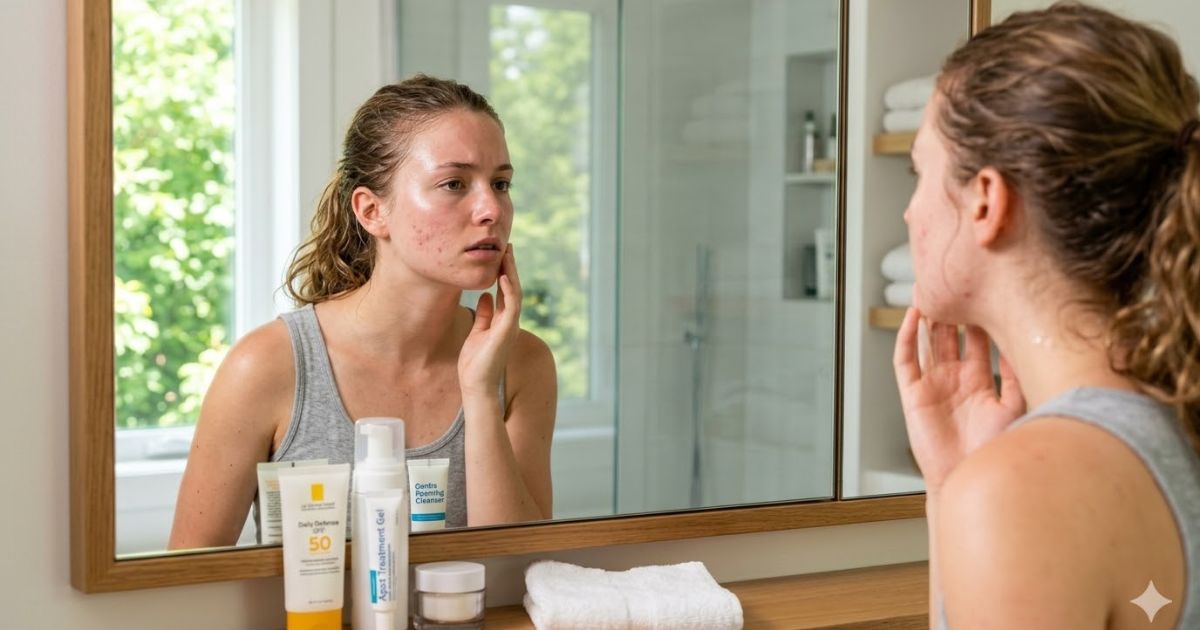
Summer is notoriously bad for acne-prone skin. The heat increases oil production in the sebaceous glands, and sweat mixes with that excess oil and accumulates on the surface of the skin. This combination clogs pores and creates an environment where acne-causing bacteria thrive. Add in sunscreen, makeup, and the general grease that comes with a hot day, and breakouts become almost inevitable for people predisposed to acne.
Symptoms and Types of Summer Acne
Whiteheads are closed, clogged pores that appear as small white or flesh-coloured bumps just beneath the surface of the skin.
Blackheads are open clogged pores where the trapped sebum and dead skin cells have oxidised, turning dark on the surface.
Papules are small, red, raised bumps caused by inflamed or infected hair follicles. They can feel tender to the touch.
Pustules are similar to papules but contain visible pus at the centre, giving them a white or yellowish head.
Cysts are the most severe form of acne, appearing as large, painful, fluid-filled lumps deep beneath the skin. They require proper treatment and should never be squeezed.
Effective Treatments for Summer Acne
- Gentle, consistent cleansing is the foundation of summer acne management. Wash your face twice daily with a mild, non-comedogenic cleanser to remove excess oil, sweat, and sunscreen buildup without stripping the skin. Over-cleansing can actually trigger more oil production, so twice a day is the recommended limit for most skin types.
- Spot treatments containing salicylic acid, benzoyl peroxide, or niacinamide can target active breakouts directly. Salicylic acid is particularly effective in summer as it penetrates the pore to dissolve the debris causing blockages.
- Lightweight, non-comedogenic moisturiser should still be used even if your skin is oily. Dehydrated skin overcompensates by producing more oil, which worsens breakouts. A gel-based or water-based moisturiser provides hydration without adding to pore congestion.
- Cool compresses applied to inflamed breakouts for a few minutes at a time can reduce swelling and redness without the need for additional product.
- Switch to oil-free, non-comedogenic sunscreen during summer months if you are acne-prone. Many regular sunscreens are too heavy for oily skin and contribute significantly to summer breakouts. Mineral sunscreens with zinc oxide are generally a better option as zinc also has anti-inflammatory properties.
Final Thoughts
Summer skin problems are common but they are also largely manageable with the right approach. Consistent sun protection, keeping the skin clean and cool, staying hydrated, and choosing the right products for your skin type go a long way toward keeping sunburn, heat rash, and breakouts under control throughout the season.
Pay attention to what your skin is telling you and adjust your routine accordingly. A little extra care during the hotter months makes a noticeable difference in how your skin looks and feels all summer long.
Frequently Asked Questions
Acne, sunburn, heat rash, rosacea, and eczema are among the skin conditions that commonly flare up or worsen in summer. The combination of UV exposure, heat, sweat, and humidity creates challenging conditions for skin that is already prone to sensitivity or inflammation.
Daily broad-spectrum sunscreen, lightweight breathable clothing, regular gentle cleansing, staying well-hydrated, and avoiding prolonged sun exposure during peak UV hours are the most effective preventive measures for most summer skin issues.
Keep the affected area cool and dry, wear loose breathable clothing, and apply soothing remedies like aloe vera gel or calamine lotion. Avoid scratching as it can worsen irritation and introduce bacteria. If the rash persists for more than a week or worsens, consult a dermatologist.
Yes, aloe vera is one of the best natural remedies for heat rash. Its anti-inflammatory and cooling properties reduce itching, calm redness, and soothe irritated skin without blocking sweat ducts. Chilled aloe vera gel is especially effective for immediate relief.
Get more information at NewTrendsHub!