

The Winter Hair Woes: Is Hair Fall Normal in Winter?
Noticing more hair fall this winter? Find out why it happens and what you can do about it with the right oils, leave-in conditioners, and simple hair care habits.
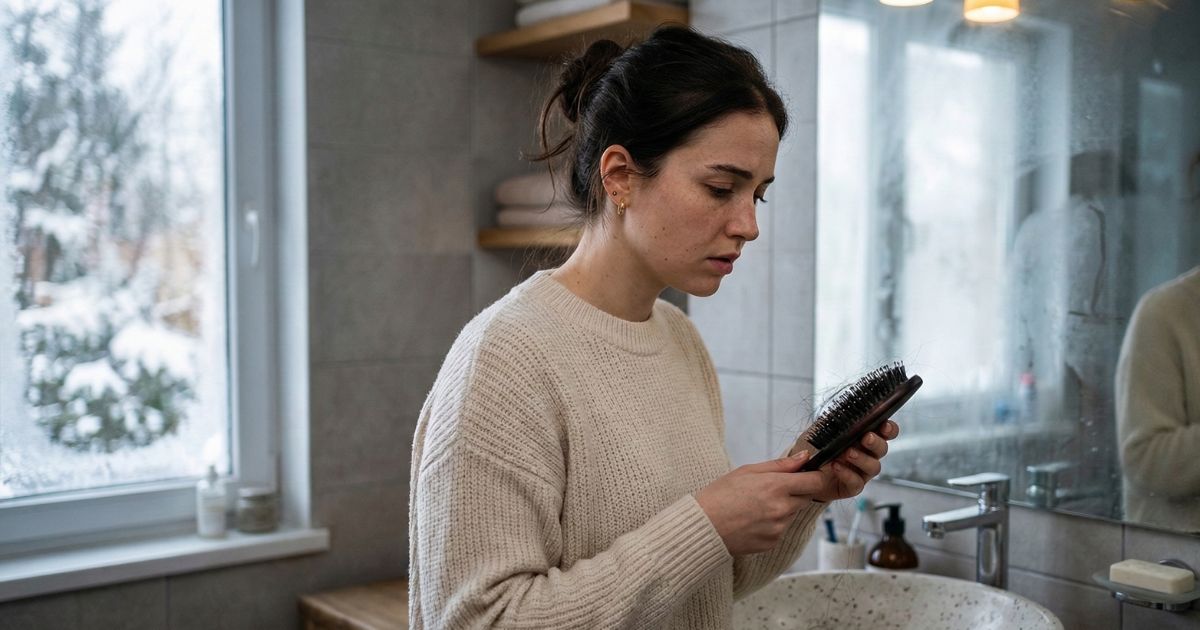
As the winter chill sets in, most of us reach for our warmest sweaters and cozy blankets without giving much thought to our hair. But if you have been noticing more strands on your pillow, in the shower drain, or on your hairbrush lately, you are definitely not alone. Winter and hair fall tend to go hand in hand, and there is a reason for that.
So is hair fall in winter actually normal, or should you be worried? Let’s break it down.
Why Does Hair Fall Increase in Winter?
The shift in season does more to your hair than you might think. Cold temperatures cause the scalp to become dry and tight, which weakens the grip of hair follicles and makes strands more prone to breakage and shedding. Low humidity levels strip moisture from both the scalp and the hair shaft, leaving hair brittle and fragile.
Winter dryness affects not just the scalp but the full hair shaft, explore these 12 proven home remedies for dry hair to restore moisture and reduce breakage.
On top of that, people tend to wash their hair less frequently in winter to avoid the cold, which leads to product buildup, clogged follicles, and an unhealthy scalp environment. All of these factors combined can result in noticeably more hair fall than usual.
The good news is that for most people, this is a temporary and manageable seasonal shift, not a sign of permanent hair loss.
Hair Growth Oils, Serums and Gels
One of the most effective ways to fight winter hair fall is to make scalp nourishment a regular habit. Hair growth oils, serums, and gels work by feeding the scalp the nutrients it needs to keep follicles strong and active, even when the weather is working against you.
Massaging a hair growth oil into your scalp a few times a week improves blood circulation, which means more nutrients reach the hair roots. This directly reduces shedding and encourages healthier, stronger regrowth over time.
When choosing a hair growth oil, look for ingredients that are proven to support follicle health. Some of the best ones to keep an eye out for include:
- Bhringraj – a classic Ayurvedic herb known for stimulating hair growth and reducing hair fall
- Argan oil – packed with vitamin E and fatty acids that deeply nourish the scalp
- Coconut oil – penetrates the hair shaft to reduce protein loss and strengthen strands
- Chironji – rich in antioxidants and healthy fats that support scalp health
- Castor oil – thickens the appearance of hair and supports a healthy scalp environment
For serums and gels, look for ingredients like Anagain, Capilia Longa, and Baicapil, which are plant-based actives backed by clinical research for their role in reducing hair fall and promoting new growth.
Consistency is key here. Using these products once in a while will not give you dramatic results. Make scalp massage a weekly ritual and you will start to see a real difference within a few months.
Leave-In Hair Conditioners
Another product your winter hair care routine genuinely cannot do without is a good leave-in conditioner. Unlike regular conditioners that get rinsed out in the shower, leave-in conditioners stay on the hair all day, providing continuous hydration and protection from the dry, cold air outside. Deep conditioning is especially critical in colder months — learn how to deep condition your hair like a pro in 5 steps to build a winter hair care ritual that actually works.
Winter weather is particularly harsh on the hair cuticle. When the outer layer of the hair strand gets damaged by dryness and cold winds, it leads to frizz, breakage, and dullness. A leave-in conditioner forms a lightweight protective barrier around each strand, locking in moisture and keeping the cuticle smooth.
The benefits go beyond just softness. A well-formulated leave-in conditioner also:
- Detangles hair and reduces breakage from brushing
- Protects against heat styling damage
- Reduces frizz and flyaways caused by dry winter air
- Makes hair more manageable and easier to style
Leave-in conditioners come in several formulations including creams, sprays, milks, and serums. If your hair is thick or coarse, a cream-based formula will give you the level of nourishment you need. If your hair is fine or tends to get weighed down easily, a lightweight spray or serum would be a better fit.
The key is finding one that matches your hair type and sticking with it through the season.
A Few More Winter Hair Care Tips Worth Knowing
Beyond oils and conditioners, a few simple habits can go a long way in protecting your hair this winter:
- Avoid hot showers – as tempting as they are in the cold, hot water strips the scalp of its natural oils and dries out the hair. Wash with lukewarm water instead.
- Do not skip washing – washing your hair regularly in winter is important to keep the scalp clean and free of buildup, even if you reduce the frequency slightly.
- Eat well – hair health starts from within. Make sure your diet includes enough protein, iron, zinc, and omega-3 fatty acids to support healthy hair growth.
- Stay hydrated – drinking enough water in winter is easy to forget but essential for keeping both the scalp and hair moisturised from the inside out.
- Limit heat styling – cold air already dries out your hair, so layering heat on top of that accelerates breakage. Air dry when you can and use a heat protectant when you cannot.
One of the most effective natural interventions is using aloe vera for hair growth — it soothes winter-aggravated scalps while stimulating follicle activity.
The Bottom Line
Experiencing more hair fall in winter is completely normal and happens to a lot of people. The combination of cold air, low humidity, dry scalp, and lifestyle changes during the season all contribute to increased shedding. The good news is that with a little extra care and the right products in your routine, it is very manageable.
If hair fall persists beyond seasonal fluctuation, try these hacks to control hair fall immediately — they address both the scalp environment and daily habits.
Start with a nourishing hair growth oil or serum to strengthen your roots, pair it with a good leave-in conditioner to protect your strands, and back it all up with some simple healthy habits. Your hair will thank you once spring rolls around.
Winter does not have to mean bad hair days. A little attention goes a long way.
Get more such tips and news on NewTrendsHub