

A Guide to Choosing the Right Serum for Your Skin
Not sure which serum is right for your skin? This guide breaks down everything from skin types and key ingredients to formulations and patch testing so you can choose with confidence.
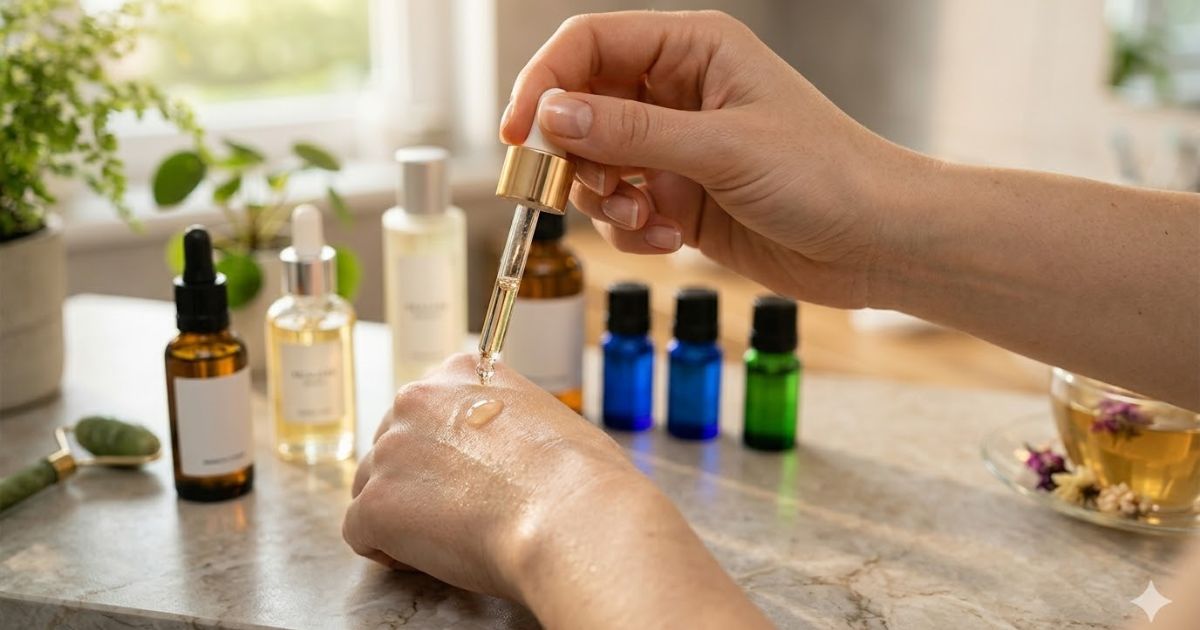
Walk into any beauty store or scroll through any skincare page online and you will find dozens of serums staring back at you, each one promising to fix a different problem. Brightening, anti-ageing, pore-refining, hydrating, acne-fighting. The options are genuinely endless, and picking the wrong one can mean wasted money, irritated skin, or simply no results at all. Brightening serums are the most searched-for category – complement this with how to get glowing skin in summer for a complete seasonal glow protocol.
The good news is that choosing the right serum is not as complicated as it seems once you know what to look for. Here is a straightforward guide to help you cut through the noise and find a serum that actually works for your skin.
Start By Understanding Your Skin Type
Before you look at any serum, you need to know your skin type. This is the foundation of every good skincare decision you will ever make.
- Oily skin tends to produce excess sebum, looks shiny by midday, and is more prone to blackheads and breakouts
- Dry skin feels tight, rough, or flaky, especially after cleansing, and lacks natural moisture
- Combination skin is oily in the T-zone (forehead, nose, and chin) but normal or dry on the cheeks
- Sensitive skin reacts easily to new products, weather changes, or certain ingredients, often showing redness, itching, or irritation
- Mature skin shows signs of ageing like fine lines, loss of firmness, and uneven texture
Once you know your skin type, you can immediately filter out serums that are not right for you and focus only on what your skin actually needs.
Know What Skin Concern You Are Trying to Address
Serums are targeted treatments. Unlike moisturisers or cleansers that serve general purposes, serums are designed to go deep into the skin and address specific concerns. Being clear about what you want to fix will make your decision a lot easier.
Here are the most common skin concerns and what to look for:
Dullness and uneven skin tone Look for vitamin C, niacinamide, alpha arbutin, or kojic acid. These ingredients brighten the complexion, fade discolouration, and give the skin a more even, luminous appearance over time.
Hyperpigmentation and dark spots Alpha arbutin, tranexamic acid, vitamin C, and azelaic acid are your best friends here. They work by inhibiting melanin production and gradually lightening existing pigmentation.
Fine lines and ageing Retinol is the gold standard for anti-ageing and has decades of clinical research behind it. Peptides, bakuchiol (a gentler plant-based retinol alternative), and resveratrol are also excellent options that stimulate collagen production and improve skin elasticity.
Dehydration and loss of plumpness Hyaluronic acid is the most well-known hydrating serum ingredient, and for good reason. It draws moisture into the skin and holds it there. Glycerin and polyglutamic acid work in a similar way and are great alternatives.
Acne and breakouts Salicylic acid, niacinamide, and zinc are the key ingredients to look for. Salicylic acid gets into the pores and clears them out, while niacinamide reduces inflammation and regulates oil production. Niacinamide serums are among the most versatile – for a complete deep-dive, read what niacinamide is and who should use it.
Enlarged pores and rough texture Niacinamide, AHAs like glycolic acid or lactic acid, and retinol all help refine texture and minimise the appearance of pores with consistent use.
Pay Close Attention to Ingredients
The ingredient list is the most honest thing about any skincare product. Marketing claims on the front of the packaging can say whatever they like, but the ingredient list tells you exactly what is inside and in what concentration.
A few things to keep in mind when reading ingredients:
- Ingredients are listed in order of concentration, from highest to lowest. An active ingredient listed near the bottom of a long list is likely present in very small amounts and may not have a meaningful effect on your skin.
- Some active ingredients need to be at a specific pH to work properly. Vitamin C serums, for example, are most effective at a low pH (around 3.5). This is worth checking if you are buying from a brand that shares this information.
- Fragrance, both synthetic and natural, is one of the most common causes of skin irritation. If you have sensitive skin, look for fragrance-free formulations wherever possible.
Before choosing a serum, understand what its actives do – 5 common skincare actives and who should use them is the essential primer for decoding ingredient labels.
Match the Formulation to Your Skin Type
Serums come in different textures and bases, and the right one depends largely on your skin type.
Water-based serums are lightweight, absorb quickly, and sit comfortably under moisturiser and SPF. They are ideal for oily, acne-prone, or combination skin that does not need extra oil but still needs hydration and active ingredients.
Oil-based serums are richer and more nourishing, making them a great fit for dry or mature skin that needs deeper moisture and replenishment. They are best applied as the last step in your routine or mixed into your moisturiser.
Gel-based serums have a cooling, refreshing texture that works well for combination skin and is also very suitable for oily skin in hot or humid climates. They deliver hydration without any heaviness.
If you are unsure, water-based and gel formulations are generally the safest starting point for most skin types.
Always Patch Test Before Committing
No matter how good the reviews are or how well a serum is formulated, your skin is unique and it can react differently to certain ingredients. Before working any new serum into your full routine, always do a patch test first.
Apply a small amount of the product to the inside of your wrist or behind your ear and wait 24 to 48 hours. If you notice any redness, itching, swelling, or breakouts, the product is likely not compatible with your skin. If your skin is calm and happy, you can safely start introducing it into your routine.
This step is especially important with serums that contain potent actives like retinol, AHAs, or high-concentration vitamin C, as these are the most likely to cause a reaction if your skin is not used to them.
Read Real Reviews, Not Just Brand Claims
Customer reviews are one of the most useful research tools when it comes to skincare. They give you a real-world picture of how a product performs across different skin types, tones, and concerns.
When reading reviews, look for people who have a similar skin type and concern to yours and pay attention to how long they used the product before seeing results. A glowing review after three days is less meaningful than one written after consistent use over two or three months.
If you want more expert guidance, a dermatologist or licensed aesthetician can assess your skin and point you toward specific ingredients and formulations that are most likely to work for you.
A Few Things to Remember
Once you have found a serum that works for you, consistency is everything. Most active serums take a minimum of four to six weeks of daily use before you start to see visible results, and some take longer. Do not give up after two weeks because you have not seen a dramatic transformation.
It is also worth noting that more is not always better when it comes to actives. Using multiple strong serums at once can overwhelm the skin, cause irritation, and actually slow down your results. Start with one targeted serum, let your skin adjust, and then consider layering only if necessary.
Finding the right serum is a bit of a journey, but once you land on the right one for your skin, the results are absolutely worth the patience.
Seasonal changes shift your serum needs – understand what happens to your skin during warmer months by reading about 3 skin issues caused by summer heat before finalising your summer serum routine. For Indian skin types dealing with heat and humidity, pair your serum knowledge with this guide on what products you should have in your skincare routine for Indian summers
Get more such tips and news on NewTrendsHub