

What should I buy, deodorant or perfume?
Not sure whether to buy a deodorant or a perfume? This guide breaks down the key differences, what each product actually does, and how to choose the right one for your lifestyle and skin type.
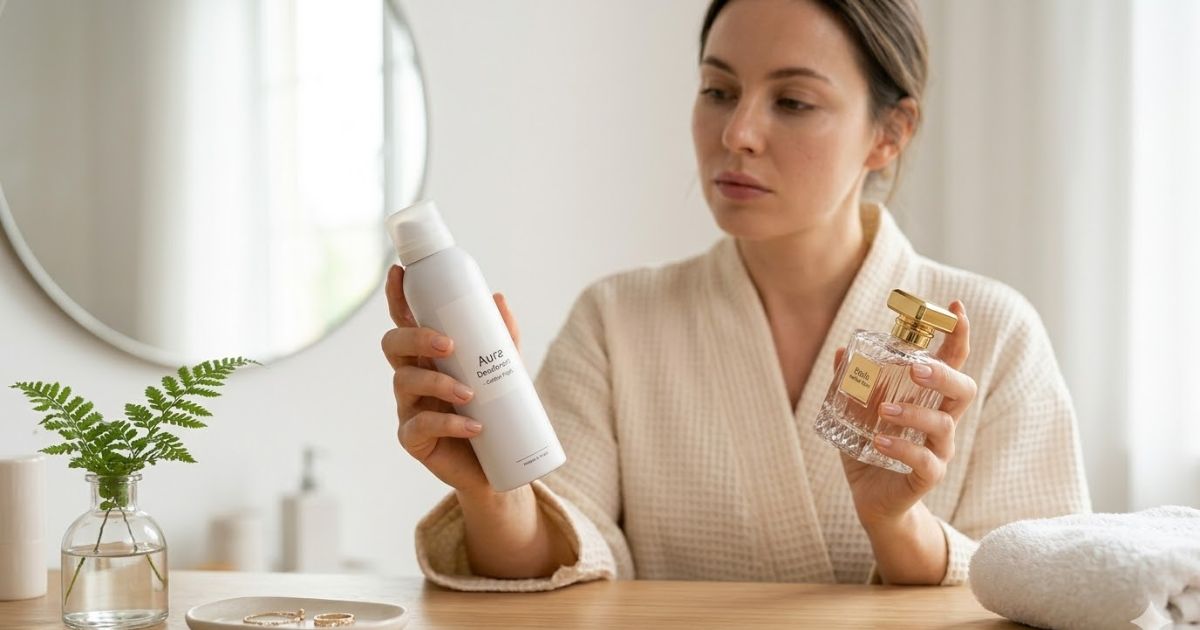
Every day we make small decisions that shape how we show up in the world. What we wear, how we carry ourselves, and yes, how we smell. But when it comes to personal fragrance and hygiene, a lot of people are not entirely sure whether they need a deodorant, a perfume, or both.
If you have ever stood in the personal care aisle wondering what the actual difference is and which one makes more sense for you, this guide will clear it all up.
What Is a Deodorant?
A deodorant is a hygiene product designed to prevent and neutralise body odour. It works by targeting the bacteria on your skin that break down sweat and produce that unpleasant smell. Without bacteria, sweat itself is actually odourless, which is exactly why deodorants focus on keeping bacterial activity in check rather than just masking the smell.
Deodorants come in several forms including sprays, roll-ons, sticks, balms, and gels. Some also function as antiperspirants, which means they reduce the amount of sweat your body produces in addition to controlling odour.
In recent years, natural deodorants have become increasingly popular. These are formulated without aluminium compounds, parabens, or synthetic fragrances and instead use ingredients like baking soda, arrowroot powder, prebiotic cultures, and plant-based extracts to keep odour at bay without interfering with the body’s natural sweating process. For a truly DIY approach, explore these 5 ways to use baking soda as a natural deodorant, a cost-effective alternative to any commercial option.
What Is a Perfume?
A perfume is a scented liquid made from a blend of aromatic oils, fixatives, and alcohol. Unlike deodorants, perfumes do not have any hygiene function. Their sole purpose is to add a pleasant, lasting fragrance to your body.
Perfumes are typically applied to pulse points, places on the body where blood vessels sit close to the skin and generate warmth, which helps diffuse the scent into the air around you. The most common pulse points are the wrists, the sides of the neck, behind the ears, the inside of the elbows, and behind the knees.
Perfumes come in different concentrations that determine how strong and long-lasting the scent is:
- Parfum has the highest concentration of aromatic compounds (usually 20 to 30 percent) and can last up to 8 hours or more
- Eau de parfum sits at around 15 to 20 percent concentration and typically lasts 4 to 6 hours
- Eau de toilette is lighter at 5 to 15 percent and usually lasts 2 to 4 hours
- Eau de cologne is the lightest option at around 2 to 4 percent concentration and is more of a fresh, fleeting fragrance
Deodorant vs Perfume: The Key Differences
These two products are often talked about in the same breath but they serve very different purposes. Here is a quick breakdown:
| Particulars | Deodorant | Perfume |
|---|---|---|
| Primary purpose | Controls body odour and bacteria | Adds fragrance to the body |
| Application area | Underarms | Pulse points (wrists, neck, etc.) |
| Hygiene function | Yes | No |
| Scent longevity | Moderate (functional throughout the day) | Varies by concentration |
| Skin benefit | Can soothe and protect underarm skin | Minimal |
The biggest takeaway here is that they are not interchangeable. Using perfume instead of deodorant will make you smell nice temporarily but will do nothing to stop body odour from developing. And using only deodorant will keep you fresh but will not give you that signature fragrance presence that a perfume provides.
Things to Consider When Choosing Between the Two
Your Daily Activity Level
If you have an active lifestyle, work out regularly, or live somewhere with a hot climate, a good deodorant is non-negotiable. Perfume alone will not hold up against sweat and physical activity. On days when you know you will be less active or attending a special occasion, layering a perfume on top of your deodorant gives you both hygiene and fragrance coverage.
Your Skin Sensitivity
This is particularly important when it comes to deodorants. Conventional deodorants and antiperspirants often contain aluminium salts, alcohol, and synthetic fragrances that can irritate the delicate underarm skin. If you find that most deodorants cause redness, itching, or bumps, switching to a natural formula can make a significant difference.
For perfumes, people with sensitive skin or fragrance allergies should be cautious. Synthetic fragrance compounds are among the most common causes of allergic skin reactions. Look for perfumes with simpler ingredient lists or those made with natural essential oils.
For women making the switch to natural odor protection, start with the 7 best natural deodorants for women, a curated list of formulas that genuinely perform.
Your Fragrance Preferences
Think about the kinds of scents you are naturally drawn to. Do you prefer fresh and citrusy, warm and woody, sweet and floral, or deep and musky? Your fragrance personality should guide both the deodorant and perfume you choose, as both contribute to the overall scent profile you put out into the world.
Ideally your deodorant and perfume should not clash. If you are wearing a heavy oriental perfume, a strongly scented deodorant in a completely different fragrance family can create an unpleasant mix. Many people prefer unscented or lightly scented deodorants for this reason.
Confidence and Comfort
At the end of the day, the best product is the one that makes you feel good. Whether that means the reassurance of a deodorant that keeps you fresh through a long workday, or the confidence boost of a perfume that makes you feel put together, listen to what your body and mind actually need.
Regardless of which you choose, understanding how to manage body odor naturally is key, read how to reduce body odor naturally for diet, hygiene, and product strategies that actually work.
So, Should You Buy Deodorant or Perfume?
Honestly, for most people the answer is both, used together rather than as alternatives to each other.
A deodorant handles the functional side of things. It keeps odour under control and ensures you feel fresh and clean throughout the day regardless of what you are doing. A perfume handles the expressive side. It is the finishing touch that adds personality and leaves a lasting impression. If odor control is your primary need, the clean beauty answer is natural deodorant, here’s why natural deodorants are good for your skin compared to conventional antiperspirants.
If you are only going to choose one to start with, a good deodorant is the more practical and essential purchase. You can always add a perfume later, but no amount of beautiful fragrance makes up for not addressing body odour at its source.
If you are exploring natural deodorant options, look for formulas that include prebiotic ingredients, which help balance the bacteria on your skin naturally rather than just killing it off. Baking soda, magnesium, and zinc ricinoleate are also effective odour-neutralising ingredients worth looking for on the label.
Frequently Asked Questions
Is it okay to use perfume as a deodorant?
Not really. Perfume can mask odour briefly but it does not neutralise the bacteria that cause it. Within a few hours the odour will return, and in some cases mixing sweat with strong perfume can actually make things worse. Always use a proper deodorant for odour control.
Can deodorant be applied to clothes?
No. Deodorant is formulated for skin, not fabric. Applying it to clothes can cause staining, leave white marks, and damage certain materials. Always apply it directly to clean, dry underarm skin.
Which lasts longer, deodorant or perfume?
In terms of odour control, a good deodorant will last all day. In terms of scent, a high-concentration perfume or eau de parfum can linger on the skin for 6 to 8 hours. Eau de toilette and lighter concentrations fade more quickly and may need reapplication.
Can I apply perfume directly to my skin?
Yes. In fact, skin application is the best way to wear perfume as the warmth of your body helps project the scent. Just avoid applying it to broken, irritated, or sunburned skin, and if you have sensitive skin, do a patch test first.
What are the downsides of perfume?
Synthetic fragrances in conventional perfumes can irritate sensitive skin, trigger headaches, or cause allergic reactions in some people. The fragrance industry is also largely unregulated, meaning brands are not always required to disclose exactly what is inside their scent formulas. If this concerns you, look for brands that use natural ingredients and transparent labelling.
Get more such tips and news on NewTrendsHub