

What is Niacinamide and who should use it?
Niacinamide is one of skincare's most effective ingredients but what does it actually do? Learn who should use it, how to apply it, and which ingredients it pairs well with.
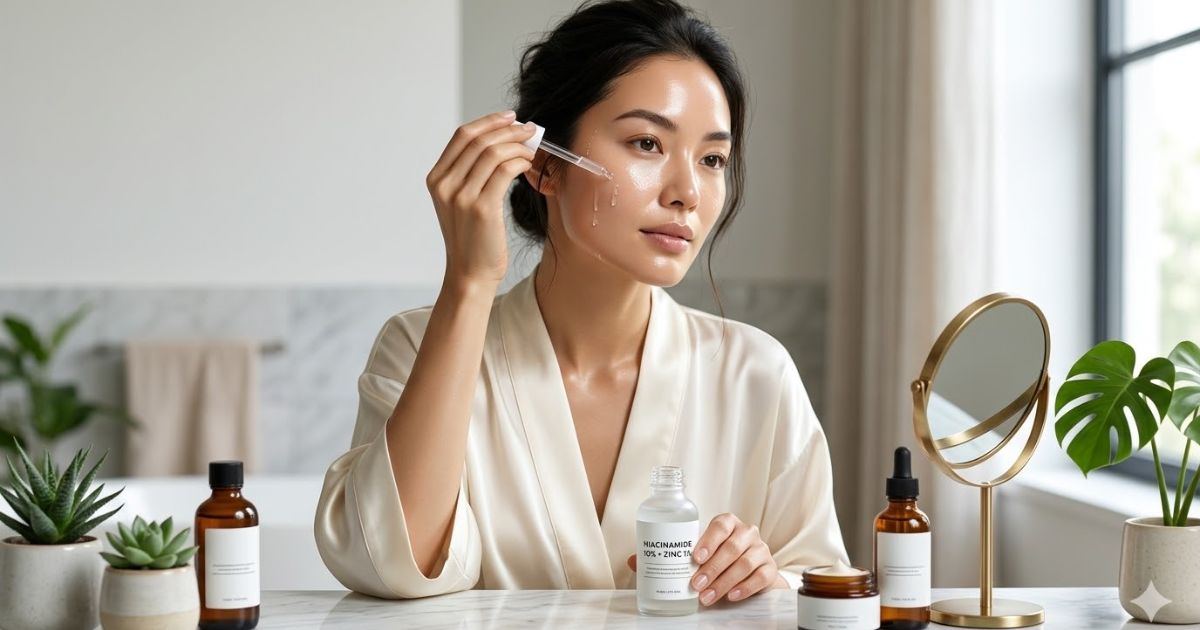
If you have spent any time reading about skincare in the last few years, you have probably come across niacinamide. It shows up in serums, moisturisers, toners, and even sunscreens, and for good reason. Out of all the buzzy skincare ingredients out there, niacinamide is one of the very few that genuinely lives up to its reputation.
In this guide, we are breaking down exactly what niacinamide is, what it does for your skin, who should be using it, and how to work it into your routine the right way.
What is Niacinamide?
Niacinamide is a form of vitamin B3, one of the essential water-soluble vitamins that your body needs to function properly. When applied topically to the skin, it delivers a wide range of benefits that make it one of the most well-researched and versatile ingredients in modern skincare.
What makes niacinamide stand out from other active ingredients is how universally well-tolerated it is. Unlike retinol or vitamin C, which can cause irritation or sensitivity in some people, niacinamide is gentle enough for almost every skin type, including sensitive and reactive skin. It works quietly and effectively without causing redness, peeling, or the dreaded purging phase that some other actives trigger. Niacinamide is especially valuable for Indian skin tones prone to PIH – build it into your full skincare routine for Indian summers.
You will find it in a wide range of product formats including serums, moisturisers, face washes, toners, and eye creams, usually at concentrations between 2% and 10%.
Once you understand niacinamide’s benefits, the next step is finding the right formula, this guide on how to choose the right serum for your skin type will help you identify the best niacinamide-based serum for your concerns.
What Does Niacinamide Do for Your Skin?
The reason niacinamide has earned such a loyal following in the skincare world is that it addresses multiple concerns at once rather than targeting just one specific issue. Here is a closer look at what it actually does:
- Regulates oil production Niacinamide helps bring overactive sebaceous glands under control, reducing the amount of oil your skin produces throughout the day. This makes it particularly valuable for oily and acne-prone skin types.
- Minimises the appearance of pores By regulating sebum and improving overall skin texture, niacinamide gradually makes pores appear smaller and less noticeable with consistent use.
- Fades dark spots and hyperpigmentation Niacinamide works by interfering with the transfer of melanin to the skin’s surface, which over time reduces the appearance of dark spots, post-acne marks, and uneven skin tone.
- Strengthens the skin barrier It stimulates the production of ceramides, which are the lipids that hold your skin barrier together. A stronger skin barrier means better moisture retention, less sensitivity, and greater resilience against environmental stressors.
- Reduces redness and inflammation Its anti-inflammatory properties make it an effective ingredient for calming redness, irritation, and the inflamed skin that comes with conditions like rosacea or acne.
- Fights signs of ageing Niacinamide supports collagen production, improves skin elasticity, and helps reduce the appearance of fine lines and wrinkles over time, making it a solid anti-ageing ingredient that works for younger and older skin alike.
- Brightens the complexion Regular use leads to a more radiant, even-toned complexion by reducing dullness and improving overall skin texture.
- Soothes sensitive and reactive skin Its calming and barrier-supporting properties make it one of the safest active ingredients for people who struggle to tolerate most skincare actives.
Who Should Use Niacinamide?
The short answer is almost everyone. But here is a more specific breakdown based on skin type and concern:
- Oily and acne-prone skin Niacinamide is one of the best ingredients you can add to your routine if you deal with excess oil, frequent breakouts, or enlarged pores. It regulates sebum, reduces inflammation around active breakouts, and helps fade the dark marks they leave behind.
- Skin with uneven tone or hyperpigmentation Whether your uneven skin tone is caused by acne scarring, sun damage, or hormonal pigmentation, niacinamide works steadily to fade discolouration and create a more uniform complexion over time.
- Mature or ageing skin If fine lines, wrinkles, loss of firmness, or a dull complexion are your main concerns, niacinamide is worth adding to your routine. It supports collagen synthesis and improves skin elasticity without any of the harshness associated with stronger anti-ageing actives.
- Sensitive or easily irritated skin Most strong actives come with a trade-off of some irritation. Niacinamide is one of the few ingredients that delivers real results without that drawback, making it ideal for skin that tends to react badly to new products.
- Dry skin By strengthening the skin barrier and improving its ability to retain moisture, niacinamide helps dry skin hold onto hydration more effectively over time.
Niacinamide’s most celebrated benefit is fading pigmentation, put that to work with this guide on managing hyperpigmentation in summer for a protocol that maximises its brightening effect.
How to Use Niacinamide in Your Routine
Using niacinamide is straightforward and it fits easily into most skincare routines. Here is how to do it properly:
Step 1: Cleanse your face Always start with a clean base. Use a gentle face wash suited to your skin type to remove dirt, oil, and any residue from the day. If you wear makeup, double cleanse first with a cleansing balm or micellar water, then follow with your regular face wash.
Step 2: Apply your niacinamide serum After cleansing and while your skin is still slightly damp, take a pea-sized amount of niacinamide serum and apply it evenly across your face and neck. Use gentle upward strokes and let it absorb for about a minute before moving to the next step.
Step 3: Follow with moisturiser Layer your moisturiser on top to lock in hydration and support the barrier-strengthening effects of the niacinamide. This step is important and should not be skipped, even if you have oily skin.
Step 4: Apply SPF in the morning While niacinamide itself does not make the skin significantly more photosensitive, sunscreen is a non-negotiable part of any morning skincare routine. Many of the concerns niacinamide targets, like hyperpigmentation and uneven tone, are made worse by unprotected sun exposure, so SPF is essential for getting the most out of your results.
How often: Niacinamide can be used twice daily, morning and evening, without any issues. It is one of the few active ingredients stable and gentle enough for this frequency of use.
Can Niacinamide Be Combined with Other Actives?
One of the great things about niacinamide is how well it plays with other ingredients. Here are some common combinations and what you need to know about each:
- Niacinamide and hyaluronic acid A great pairing. Hyaluronic acid hydrates deeply while niacinamide strengthens the barrier and improves texture. Using them together gives you both immediate plumpness and long-term skin health benefits.
- Niacinamide and salicylic acid These two work very well together for oily and acne-prone skin. Salicylic acid clears out the pores while niacinamide calms inflammation and regulates oil. Use salicylic acid first, let it absorb, then follow with niacinamide.
- Niacinamide and retinol A solid combination for anti-ageing. Niacinamide actually helps buffer some of the irritation that retinol can cause, making it a smart pairing for people who are new to retinol or who have sensitive skin.
- Niacinamide and vitamin C There is an old myth that these two should not be used together because they can cancel each other out. Current research suggests this is not a concern at the concentrations used in skincare products. You can use them together or at different times of day, whichever works best for your routine.
Niacinamide is one of several high-impact actives worth understanding, compare it against the full spectrum in 5 common skincare actives and who should use them.
Final Thoughts
Niacinamide is one of those rare ingredients that genuinely deserves all the attention it gets. It is effective, gentle, versatile, and works for practically every skin type and concern. Whether you are dealing with oily skin, dark spots, ageing, sensitivity, or just want a more even and radiant complexion, there is a very good chance niacinamide can help.
If you have not already added it to your routine, it is one of the simplest and most rewarding upgrades you can make to your skincare regimen.
Frequently Asked Questions
Can niacinamide and salicylic acid be used together?
Yes, and they actually complement each other well. Salicylic acid works inside the pores to clear congestion while niacinamide calms inflammation and controls oil on the surface. Together they are a great combination for acne-prone and oily skin.
Can retinol and niacinamide be used together?
Absolutely. Not only can they be used together, but niacinamide actually helps reduce the dryness and irritation that retinol sometimes causes. It is a smart pairing for anyone working on anti-ageing or skin texture.
Can niacinamide and hyaluronic acid be used together?
Yes, this is one of the most popular and well-loved combinations in skincare. Hyaluronic acid provides deep hydration while niacinamide improves texture and strengthens the barrier. They work very well together.
Which is better, vitamin C or niacinamide?
Neither is objectively better because they do different things. Vitamin C is a powerful antioxidant that brightens the skin and protects against free radical damage, while niacinamide improves texture, reduces oil, and strengthens the barrier. Many people use both and get great results.
How do you use a niacinamide serum?
Cleanse your face, then apply a small amount of niacinamide serum to slightly damp skin and gently massage it in. Follow with your moisturiser and, in the morning, finish with sunscreen. It can be used morning and evening.
Get more such tips and news on NewTrendsHub