

9 Ultimate Hacks To Control Hair Fall Immediately
Struggling with hair fall? These 9 proven hacks cover everything from scalp massage and diet to styling habits that can help you reduce hair fall starting today.
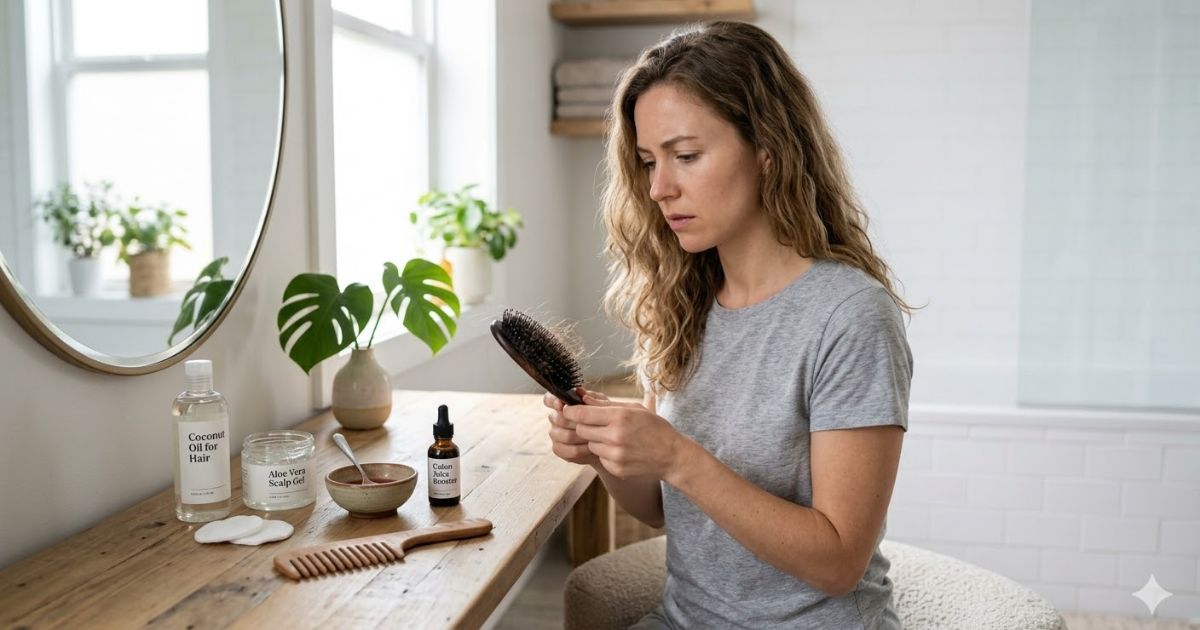
Hair fall is something that affects people across all ages and hair types. For some it comes on gradually, for others it feels sudden, but either way it is deeply frustrating. The causes can range from stress and poor diet to the way you style and care for your hair on a daily basis. Hair fall in summer has its own triggers, complement these hacks with essential summer hair care tips for season-specific strategies.
The good news is that there are real, actionable steps you can take right now to start bringing hair fall under control. In this blog, we are sharing 9 practical hacks that address hair fall from every angle, from scalp care and styling habits to diet and stress management.
Can You Really Control Hair Fall Immediately?
Yes, you can. Certain changes like switching to gentler hair care habits or starting a scalp massage routine can show results quite quickly. That said, fully resolving hair fall usually takes a combination of consistent lifestyle changes, dietary adjustments, and the right hair care practices over time. Think of these hacks as the starting point of that journey. If your hair fall spikes in cold months, first understand whether hair fall in winter is normal, the answer changes your approach significantly.
9 Hacks To Control Hair Fall
Massage Your Scalp With a Hair Growth Gel or Oil
Scalp massage is one of the most underrated tools for tackling hair fall. It stimulates blood circulation in the scalp, which means more oxygen and nutrients reach the hair follicles, directly supporting stronger and healthier hair growth.
Using a hair growth gel or oil while massaging makes the process even more effective. Look for formulations that contain clinically backed ingredients like Bhringraj, Baicapil, Anagain, or Capilia Longa, all of which have been studied for their role in reducing hair fall and promoting regrowth. A consistent deep conditioning schedule is one of the most effective long-term controls, follow this expert guide on how to deep condition your hair like a pro.
How to do it:
- Apply your chosen hair growth gel or oil to your scalp
- If the gel feels too concentrated, mix it with a carrier oil like jojoba or coconut oil before applying
- Using your fingertips, massage it into the scalp in slow, circular motions starting from the front and working toward the back
- Do this for at least 5 to 10 minutes, two to three times a week
Manage Your Stress
Stress is one of the most common and overlooked causes of hair fall. When the body is under chronic stress, it produces elevated levels of cortisol, which disrupts the hair growth cycle and pushes more follicles into the shedding phase.
Bringing stress down is not just good for your mental health, it is directly good for your hair. Incorporate calming practices into your daily routine like deep breathing exercises, meditation, yoga, or even a short daily walk. Aim for seven to eight hours of quality sleep each night as well, since poor sleep amplifies the effects of stress on the body.
Switch to a Silk or Satin Pillowcase
This is one of the simplest changes you can make and it genuinely helps. Cotton pillowcases create friction against your hair as you move during sleep, which leads to tangles, breakage, and increased hair fall over time.
Silk and satin pillowcases are smooth, so your hair glides over the surface rather than catching on it. They also help your hair retain moisture overnight, which keeps strands stronger and less prone to snapping. If a silk pillowcase is not in the budget, wrapping your hair in a satin scarf before bed works just as well.
Stop Wearing Tight Hairstyles
Tight ponytails, braids, buns, and hair extensions place constant tension on the hair follicle. Over time, this tension weakens the follicle and can lead to a type of hair loss called traction alopecia, which in severe cases can be permanent.
Switching to looser hairstyles reduces the mechanical stress on your scalp significantly. Let your hair down when you are at home, and when you do tie it up, keep it loose and avoid using elastic bands that snag or pull.
Cut Down on Heat Styling
Heat tools reach temperatures that can literally break down the protein structure of your hair. Regular use of blow dryers, straighteners, and curling irons weakens the hair shaft, makes it brittle, and increases the chances of breakage and fall.
Where possible, let your hair air dry naturally. When you do need to use heat, always apply a heat protectant first and keep the temperature as low as it needs to be to get the job done. Give your hair at least a few heat-free days each week to recover.
Nourish Your Scalp With a Natural Hair Oil
A well-nourished scalp is the foundation of healthy hair. Natural hair oils containing ingredients like Bhringraj, Cayenne Pepper, Indigo, Manjistha, and Chironji have been used in hair care for centuries, and for good reason. These ingredients improve scalp health, strengthen the hair root, and help address issues like dandruff and premature greying that can indirectly contribute to hair fall.
Massage the oil into your scalp two to three times a week and leave it on for at least an hour before washing. For a deeper treatment, leave it on overnight and wash it out in the morning. Dry, brittle hair breaks more easily, compounding shedding, treat the root cause with these 12 proven home remedies for dry hair.
Start Using a Wide-Tooth Comb
If you are still using a fine-tooth comb or a brush on wet hair, this could be contributing significantly to your hair fall. Wet hair is at its most fragile and pulling a fine-tooth comb through it causes unnecessary breakage.
A wide-tooth comb glides through tangles without the aggressive tugging that snaps strands. Always start detangling from the ends and work your way up to the roots gradually. This simple swap can make a noticeable difference in how much hair you see coming out during your grooming routine.
Exfoliate Your Scalp Regularly
Just like the skin on your face, your scalp accumulates dead skin cells, excess oil, and product buildup over time. This buildup clogs the hair follicles and creates an environment where hair growth is inhibited and fall is more likely.
Exfoliating your scalp once a week clears this buildup, improves circulation, and allows your hair care products to penetrate and work more effectively. You can use a dedicated scalp exfoliating serum or make a simple DIY scrub at home using brown sugar, coconut oil, and a few drops of tea tree or peppermint essential oil. Massage it into the scalp gently in circular motions, then rinse thoroughly.
Once a week is enough for most people. Over-exfoliating can irritate the scalp and do more harm than good.
Eat a Balanced Diet
No hack on this list will work as well as it should if your body is not getting the nutrients it needs to grow healthy hair. Hair is made primarily of a protein called keratin, and without enough protein in your diet, the body simply does not have the raw material to produce strong hair.
Make sure your meals regularly include:
- Protein from sources like eggs, fish, lean meats, lentils, and legumes
- Iron and zinc from leafy greens, pumpkin seeds, red meat, and chickpeas
- Vitamins A, C, and E from fruits, vegetables, and nuts
- Omega-3 fatty acids from fish, flaxseeds, and walnuts
- Biotin from eggs, almonds, and sweet potatoes
Staying well-hydrated is just as important. Drinking enough water supports scalp health and keeps hair moisturised from within.
Final Thoughts
Hair fall is rarely caused by just one thing, which is why a single product or hack alone is unlikely to solve it completely. The most effective approach combines good scalp care, gentle hair habits, stress management, and proper nutrition all working together.
Start with the hacks that feel most manageable for you and build from there. Results take time, but with consistency you will start to see a real difference in how much hair you are losing and how healthy your hair looks and feels overall.
Aloe vera is one of the fastest-acting natural solutions, here’s a complete guide to using aloe vera for hair growth that goes beyond just applying it to the scalp.
Frequently Asked Questions
What is the solution for rapid hair loss?
Start with scalp massages using nourishing oils, switch to sulphate-free shampoos, manage stress, and review your diet to make sure you are getting enough protein, iron, and key vitamins. If hair loss is sudden or severe, it is worth speaking to a dermatologist to rule out an underlying cause.
How much hair fall is normal in a day?
Losing between 50 and 100 hairs per day is considered normal. This is part of the natural hair growth cycle where old hairs shed to make way for new ones. If you are consistently losing more than this, it is worth looking into the cause.
Can oiling cause hair fall?
No, oiling done correctly does not cause hair fall. In fact, regular scalp oiling strengthens the follicles and reduces dryness. Just make sure you are not applying too much and massaging too aggressively, which can cause mechanical breakage.
Is overnight oiling good for hair?
Yes, leaving oil on overnight gives it more time to deeply penetrate the scalp and hair shaft. Just use a moderate amount to avoid excessive greasiness and protect your pillowcase with a towel or old cloth.
Is it okay to wash hair with water only?
It can work for some people, particularly those with less oily hair or very minimal product use. However, for most people a gentle sulphate-free shampoo is still needed to properly cleanse the scalp and remove buildup.
Get more such tips and news on NewTrendsHub