Natural deodorants have been generating a lot of conversation in the personal care space over the past few years. But within that category, gel deodorants in particular tend to raise questions. Are they actually effective? How do they differ from conventional deodorants or other natural formats? And are they worth making the switch for?
If you have been curious about natural gel deodorants but are not sure whether they live up to the hype, this blog breaks it all down.
What Are Natural Gel Deodorants?
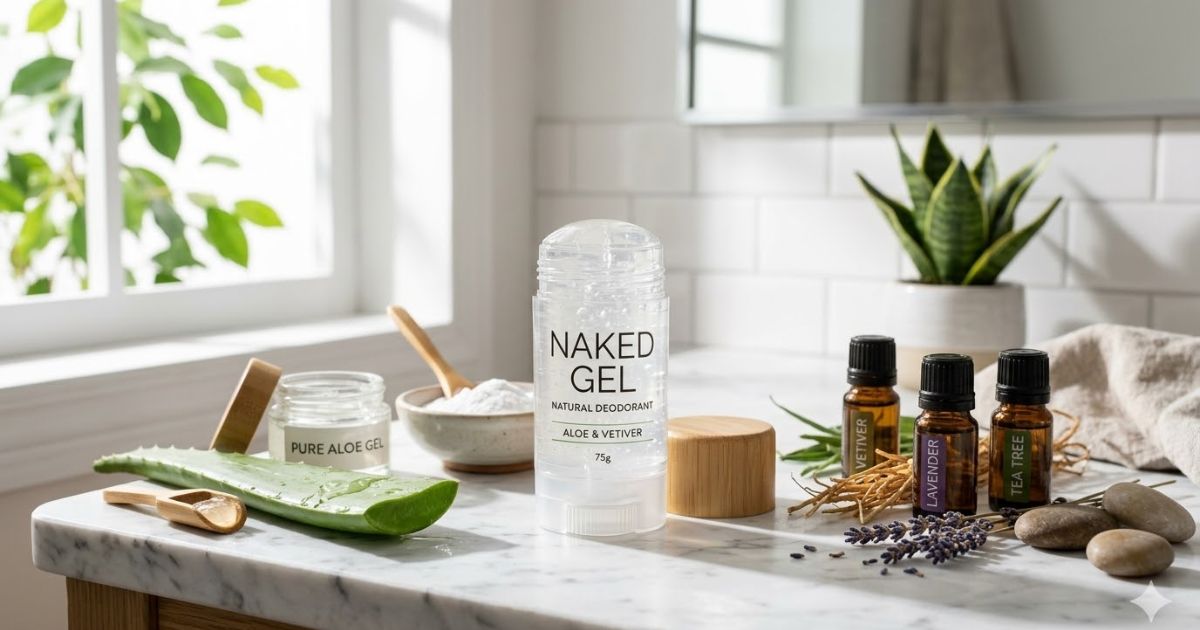
Natural gel deodorants are personal care products formulated with plant-based and naturally derived ingredients, presented in a smooth gel consistency rather than the solid stick or roll-on formats most people are accustomed to.
What sets them apart from conventional deodorants is the ingredient list. Instead of aluminium compounds, synthetic fragrances, parabens, and alcohol, natural gel deodorants rely on ingredients sourced from nature to do the work. Common active ingredients include:
- Noni extract – known for its antibacterial properties and ability to neutralise odour-causing compounds on the skin
- Zinc lactate – a naturally derived zinc salt that inhibits the bacteria responsible for body odour without irritating the skin
- Bearberry extract – contains arbutin, a natural compound with antibacterial and skin-brightening properties
- Daisy flower extract – used for its mild antibacterial and skin-conditioning effects
- Aloe vera – provides soothing hydration to the sensitive underarm area
- Coconut oil – contributes antibacterial properties and keeps the skin nourished
The gel format offers a smooth, lightweight application that absorbs quickly and leaves no white residue or sticky feeling on the skin, which is one of the most common complaints about natural deodorant sticks.
The best natural gel formulas share a core set of active odor-fighting ingredients, check the 8 essential ingredients for the best natural deodorant to evaluate any gel product you’re considering.
How Do Natural Gel Deodorants Work?
It is worth understanding the distinction between a deodorant and an antiperspirant because natural gel deodorants fall firmly in the deodorant category.
Antiperspirants use aluminium-based compounds to physically block the sweat ducts, reducing perspiration. Deodorants, including natural ones, do not stop sweating. Instead, they target the actual cause of body odour, which is not sweat itself but the bacteria on the skin that break down sweat compounds into odorous molecules.
Natural gel deodorants create an environment on the skin that is inhospitable to odour-causing bacteria. Ingredients like zinc lactate and noni extract work to inhibit bacterial activity, while plant-based oils and extracts help maintain the skin’s natural microbiome balance rather than simply killing off all bacteria indiscriminately the way alcohol-based formulas do.
The result is effective odour control throughout the day without interfering with the body’s natural perspiration process, which is a physiologically healthy function that regulates body temperature and supports the elimination of certain waste compounds.
Do They Actually Work? What the Evidence Says
The effectiveness of natural deodorants is one of the most frequently asked questions about making the switch, and the honest answer is: yes, for most people, they work well once the body has had time to adjust.
Research on specific ingredients like zinc lactate and plant-based antimicrobials supports their ability to reduce odour-causing bacterial activity. Zinc in particular has a well-documented history of use in personal care for its antibacterial and odour-neutralising properties.
Beyond the ingredient science, the lived experience of people who have made the switch is largely positive. The most common pattern reported is an adjustment period of one to four weeks during which the body recalibrates after years of sweat suppression from antiperspirants. During this phase, some people notice more sweating or odour than usual, which is completely normal and temporary. Once through the adjustment period, most people find natural gel deodorants provide reliable odour control for everyday activities.
For very intense physical activity or extremely hot conditions, reapplication may be needed, which is also true of many conventional deodorants. Gel deodorants are one format within a wider ecosystem of options, browse the full range of 7 natural alternatives for deodorant for healthy skin to find the format that works best for your lifestyle.
Addressing Common Myths About Natural Gel Deodorants
Myth 1: They do not work as well as regular deodorants
This is the most common concern and it is largely unfounded. Natural gel deodorants with well-chosen active ingredients are genuinely effective at controlling odour. The difference is that they address odour rather than suppressing sweat entirely, which is a fundamentally different mechanism, not a lesser one. The broader effectiveness question for all natural deodorants is addressed head-on in whether natural deodorant works as well as conventional deodorant.
Myth 2: They will irritate your skin
Quite the opposite is true for most people. The absence of alcohol, synthetic fragrances, and aluminium compounds means natural gel deodorants are generally much better tolerated by sensitive skin than conventional alternatives. Soothing ingredients like aloe vera and zinc lactate actively support underarm skin health rather than stripping or irritating it.
Myth 3: They are hard to find
Natural deodorants, including gel formulations, are now widely available both online and in physical stores. The category has grown significantly over the past few years and there are options to suit most skin types, scent preferences, and budgets.
Tips for Choosing and Using Natural Gel Deodorants
Read the ingredient list carefully. A product labelled as natural is not automatically effective or safe. Look for formulations with active antibacterial ingredients like zinc lactate, noni, or tea tree oil rather than products that are simply free from synthetic chemicals but lack any genuine odour-fighting actives.
Match the formula to your skin type. If you have sensitive or reactive skin, look for fragrance-free or lightly fragranced formulas and avoid those with high concentrations of essential oils, which can occasionally cause irritation in sensitive individuals.
Patch test before committing. Apply a small amount to the inside of your wrist or elbow and wait 24 hours to check for any reaction before using it on the underarm area, particularly if you have a history of skin sensitivity.
Apply correctly for best results. Make sure your underarms are clean and completely dry before applying. A small amount goes a long way with most gel formulas. Over-applying can lead to product buildup without improving effectiveness.
Be patient through the adjustment period. If you are switching from an aluminium-based antiperspirant, give your body at least two to four weeks to adjust before drawing conclusions about whether the product is working. The adjustment period is real but temporary.
Final Thoughts
Natural gel deodorants are not just a wellness trend. They are a genuinely effective alternative to conventional deodorants for the majority of people who give them a proper trial. The gel format in particular offers a comfortable, residue-free application experience that addresses some of the most common complaints about natural deodorant sticks.
The key is choosing a formula with the right active ingredients for your needs, applying it correctly, and giving your body adequate time to adjust. For those looking to move away from synthetic chemicals in their personal care routine without sacrificing effectiveness, natural gel deodorants are absolutely worth trying.
Frequently Asked Questions
Regular gel deodorants typically contain synthetic chemicals including aluminium compounds, parabens, and artificial fragrances. Natural gel deodorants use plant-derived and naturally sourced ingredients like zinc lactate, essential oils, and botanical extracts to control odour without synthetic additives.
For most people, yes. Natural gel deodorants are gentler on the skin, free from potentially harmful synthetic chemicals, and effective at controlling everyday odour. They do not block sweating, which is actually a health advantage since perspiration is a normal and beneficial bodily function.
Most natural gel deodorants provide effective odour protection for eight to twelve hours under normal conditions. Very intense physical activity or extreme heat may require reapplication.
Yes. Give it a minute or two to absorb and dry on the skin before putting on clothing. This ensures maximum effectiveness and prevents any potential transfer to fabric.
One to two swipes or a small pea-sized amount per underarm is sufficient for most people. Start with less and adjust based on how your body responds and your activity level for the day.
Get more information at NewTrendsHub!