Uneven skin tone is one of the most common skin concerns people deal with, regardless of age, gender, or skin type. Whether it shows up as dark spots, redness, post-acne marks, or patchy discolouration, it can affect how confident you feel in your own skin.
The good news is that you do not need harsh chemical treatments or expensive procedures to improve your skin tone. With the right natural remedies, a few targeted skincare ingredients, and some consistent lifestyle habits, achieving a more even and radiant complexion is very much within reach.
Here is everything you need to know.
What is Skin Tone and What Causes Unevenness?
Skin tone refers to the natural colour of your skin, which is determined by the amount and distribution of melanin, a pigment produced by specialised cells called melanocytes. Skin tone exists on a spectrum from very fair to very deep and is primarily determined by genetics, though it can be influenced by several external factors.
Factors that influence skin tone:
- Sun exposure is the most significant external factor. UV rays stimulate melanocytes to produce more melanin as a protective response, causing tanning, dark spots, and uneven patches over time. Repeated or unprotected sun exposure is the leading cause of hyperpigmentation in most people.
- Hormonal changes directly affect melanin production. Pregnancy, hormonal contraceptives, and other hormonal shifts can trigger a condition called melasma, which causes symmetrical brown or grey-brown patches to appear, most commonly on the face.
- Genetics plays a role in how much melanin your skin produces and how evenly it is distributed, which influences your baseline skin tone and your predisposition to developing certain types of pigmentation.
What Causes Uneven Skin Tone?
Uneven skin tone occurs when melanin is distributed unevenly across the skin, resulting in patches or spots that are darker or lighter than the surrounding area. The most common causes include:
- Hyperpigmentation from sun damage or inflammation
- Post-acne marks left behind after breakouts heal
- Age spots that develop with prolonged sun exposure over time
- Melasma triggered by hormonal changes
Hyperpigmentation is the primary cause of uneven skin tone in most people, the dedicated guide on managing hyperpigmentation in summer provides a full treatment protocol.
Natural Remedies for Even Skin Tone
Aloe Vera
Aloe vera is one of the most versatile and well-researched natural skincare ingredients. It contains a compound called aloesin that has been shown to inhibit melanin production, which makes it genuinely effective for reducing pigmentation and dark spots over time.
Apply fresh aloe vera gel directly to clean skin and leave it on for about 20 minutes before rinsing with lukewarm water. For a lighter daily option, an aloe vera face mist spritzed throughout the day provides continuous soothing and hydrating benefits.
Lemon Juice
Lemon juice is naturally rich in vitamin C and citric acid, both of which have skin brightening properties. Vitamin C inhibits melanin production while citric acid provides mild exfoliation that helps fade surface-level pigmentation over time.
Mix freshly squeezed lemon juice with an equal amount of honey to balance its acidity and reduce the risk of irritation. Apply the mixture to affected areas and leave on for 10 to 15 minutes before rinsing off. Always follow with sunscreen when using lemon juice during the day as it can increase photosensitivity.
Vitamin C, AHA, and other actives all play a role in achieving even tone — refer to 5 common skincare actives and who should use them to build the right ingredient stack.
Turmeric
Turmeric has been used in traditional Indian skincare for centuries and for good reason. Its active compound, curcumin, is a potent anti-inflammatory and antioxidant that reduces pigmentation and helps create a more uniform skin tone with consistent use.
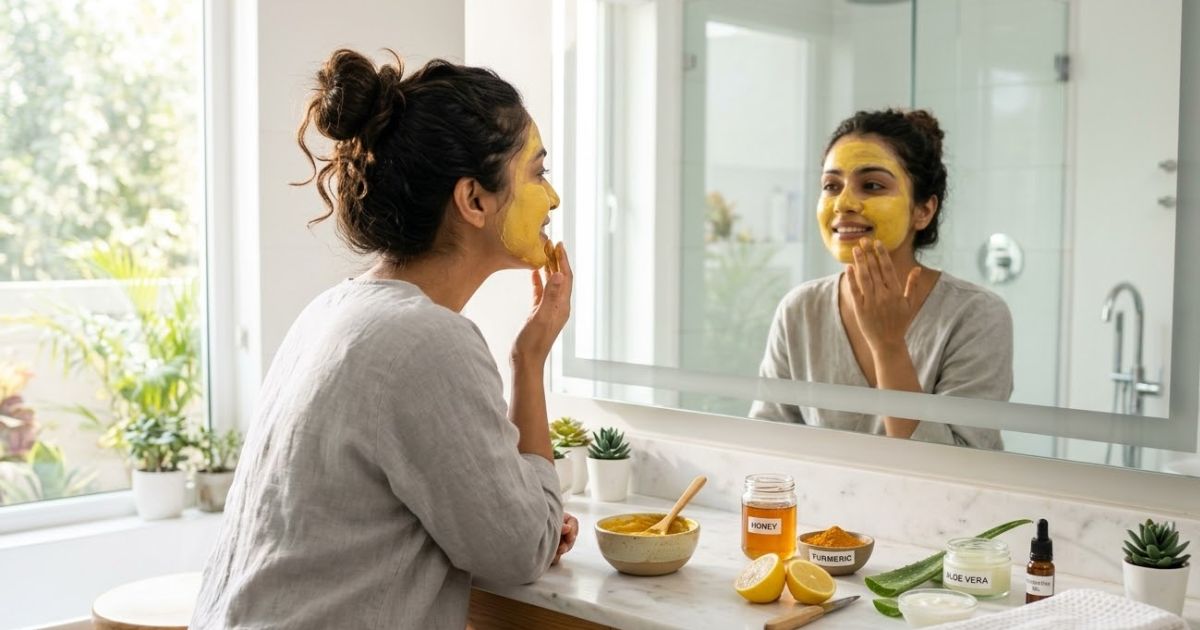
Mix turmeric powder with plain yogurt or milk to create a paste and apply it to the face. Leave on for 15 to 20 minutes before rinsing off with lukewarm water. Use it two to three times a week. Be aware that turmeric can temporarily stain fair skin yellow, so rinsing thoroughly is important.
For a less hands-on approach, look for face creams or moisturisers that contain turmeric as an active ingredient for daily use.
Honey
Raw honey is a natural humectant that draws moisture into the skin while also providing mild antibacterial and antioxidant benefits. It helps improve skin texture, soothe inflammation, and over time can contribute to a brighter, more even complexion.
Apply raw honey directly to clean skin and leave it on for 20 minutes before rinsing with warm water. It works particularly well as a gentle mask for sensitive skin that cannot tolerate stronger brightening ingredients.
Green Tea
Green tea is packed with polyphenols, particularly EGCG, which are powerful antioxidants that protect the skin from free radical damage and help repair existing UV-induced pigmentation. It also has anti-inflammatory properties that reduce redness and calm reactive skin.
Brew a cup of green tea and let it cool completely. Apply it to the skin using a cotton pad as a toner after cleansing. You can also mix cooled green tea with honey for a simple brightening face mask. Regular use helps protect the skin from further sun damage while gradually improving tone.
Cucumber
Cucumber has a high water content and contains vitamin C and caffeic acid, both of which help soothe and brighten the skin. It is particularly effective for reducing puffiness and calming redness or heat-stressed skin.
Blend a fresh cucumber into a smooth paste and apply it to the face. Leave on for 15 to 20 minutes before rinsing with cool water. It is gentle enough for daily use and works well for all skin types including sensitive skin.
Lifestyle Changes That Support Even Skin Tone
Natural remedies work best when they are supported by healthy daily habits. Here are the lifestyle factors that have the most direct impact on skin tone:
- Eat a balanced diet. Nutrients like vitamin C, vitamin E, zinc, and antioxidants from fruits, vegetables, and whole grains directly support skin health and help the body manage inflammation that can trigger uneven pigmentation.
- Stay active with regular exercise. Physical activity improves circulation, which means more oxygen and nutrients reach the skin. Regular exercise also helps manage stress, which is a significant but often overlooked trigger for skin issues.
- Manage stress. Chronic stress elevates cortisol levels, which increases inflammation in the body and can worsen skin concerns like acne, redness, and uneven tone. Incorporating stress management practices like meditation, yoga, or regular movement makes a visible difference to skin health over time.
- Get enough sleep. Skin repairs itself during sleep. Consistently poor sleep compromises the skin’s ability to regenerate, leads to dullness, and can worsen existing pigmentation. Aim for seven to nine hours of quality sleep each night.
- Protect your skin from the sun. This is the single most important lifestyle habit for maintaining an even skin tone. Daily broad-spectrum SPF 30 or higher, worn every morning regardless of whether you plan to be outdoors, prevents new pigmentation from forming and stops existing dark spots from deepening.
- Avoid smoking and limit alcohol. Both accelerate skin ageing, deplete the skin of key nutrients, and contribute to a dull, uneven complexion over time.
Even skin tone is the foundation of that sought-after glow, connect this guide with how to get glowing skin in summer for a complete radiance strategy.
Common Myths About Skin Tone
Myth 1: Natural Remedies Work Instantly
Natural ingredients work gently and cumulatively. Expecting visible results after one or two applications sets unrealistic expectations and leads to abandoning routines too early. Most natural remedies require consistent use over four to eight weeks before meaningful improvement becomes visible. Patience is not optional here, it is the whole strategy.
Myth 2: You Cannot Change Your Skin Tone
Your natural skin colour is genetically determined and cannot be permanently changed. However, the appearance of your skin tone, how even, bright, and radiant it looks, absolutely can be improved. Reducing dark spots, fading post-acne marks, and protecting against further sun damage can make a dramatic difference to how uniform and healthy your complexion looks.
Myth 3: The Sun is Completely Bad for Your Skin
While excessive and unprotected sun exposure is genuinely damaging, some sun exposure is beneficial. Sunlight triggers vitamin D synthesis, which is important for overall health including skin health. The goal is not total sun avoidance but smart sun management: wearing SPF daily, seeking shade during peak hours, and not staying in direct sun without protection for extended periods.
Myth 4: Drinking Lots of Water Instantly Clears Skin
Hydration is essential for skin health but it is not a standalone solution for uneven skin tone. Water supports the skin’s overall function, keeps the barrier healthy, and contributes to a plumper, more radiant appearance. But it does not directly address pigmentation or dark spots. Think of it as a foundational habit rather than a treatment.
Myth 5: Oils Cause Breakouts and Should Be Avoided
This is one of the most persistent skincare myths. Many plant-based oils are actually non-comedogenic and deeply beneficial for skin health. Face oils rich in vitamin E, squalane, rosehip, or jojoba can help balance oil production, strengthen the skin barrier, and reduce the inflammation that contributes to uneven skin tone. The key is choosing the right oil for your skin type.
Final Thoughts
Getting an even skin tone naturally is entirely achievable but it requires consistency, realistic expectations, and a holistic approach. No single remedy or product will transform your complexion overnight. What does work is a combination of targeted natural treatments, daily sun protection, a healthy diet, and good sleep and stress management habits applied consistently over time.
Natural Indian beauty brands offer some of the best skin-tone-evening formulations, check the top 7 natural beauty care brands in India for trusted options.
Embrace the process and celebrate the gradual progress. Natural skincare works with your skin rather than forcing dramatic changes, and the results it delivers are far more sustainable in the long run.
Frequently Asked Questions
A combination of natural remedies like aloe vera, turmeric, vitamin C-rich ingredients, and honey used consistently alongside daily SPF, good hydration, and a balanced diet is the most effective natural approach to improving skin tone over time.
Uneven skin tone is most commonly caused by sun exposure, post-inflammatory hyperpigmentation from acne, hormonal changes, genetics, and the natural ageing process. Identifying the primary cause helps you choose the most targeted approach to address it.
Ingredients with proven brightening and melanin-inhibiting properties include vitamin C, aloe vera, turmeric, niacinamide, green tea extract, and kojic acid. Combined with daily sun protection, these are among the most effective natural tools for improving skin tone. Niacinamide is the most accessible ingredient for natural skin tone evening, explore what niacinamide is and who should use it to understand how and when to incorporate it.
Beauty has no single standard and attractiveness is entirely subjective. Healthy, well-cared-for skin at any tone is universally appealing. Confidence and consistent self-care go far further than any specific shade.
No. Genuine and lasting improvement in skin tone takes time, typically a minimum of four to eight weeks of consistent care to see meaningful results. Be cautious of any product or remedy claiming dramatic results in a very short timeframe, as these claims are rarely backed by evidence and may involve ingredients that are unsafe for long-term use.
Get more information at NewTrendsHub!