

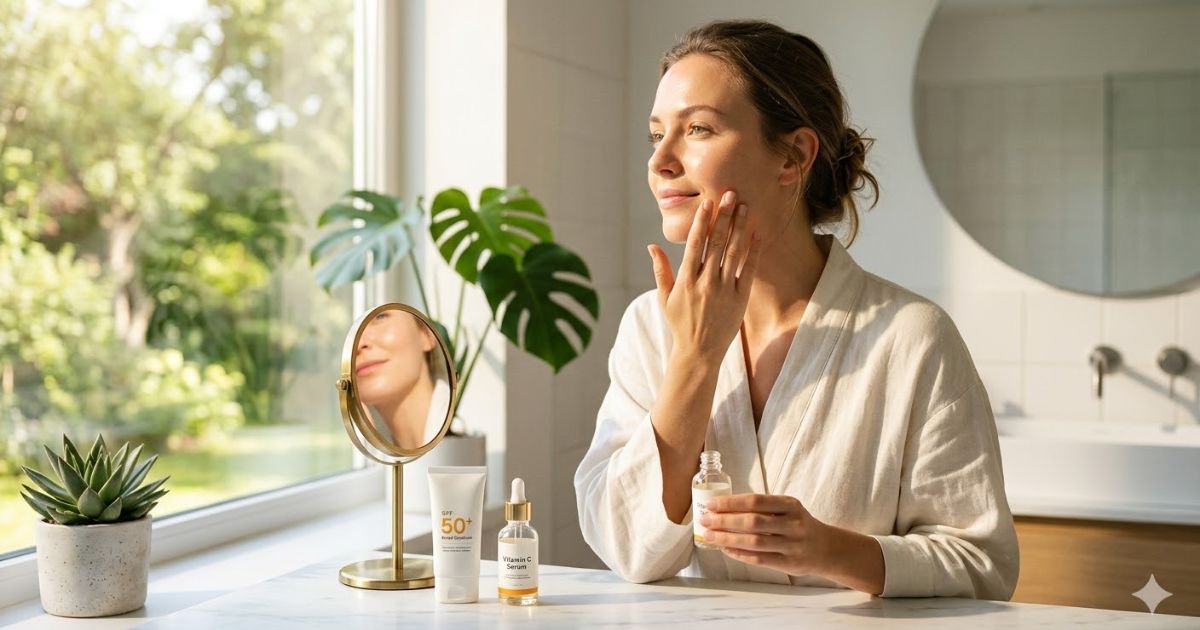
Hyperpigmentation is one of the most common skin concerns people deal with, and summer has a way of making it significantly worse. More sun exposure means more melanin production, which means those dark spots and uneven patches become more visible and harder to ignore.
The good news is that with the right habits and ingredients in your routine, hyperpigmentation is very manageable, even through the hottest months of the year. Here is everything you need to know.
What is Hyperpigmentation?
Hyperpigmentation occurs when certain areas of the skin produce more melanin than usual, causing those areas to appear darker than the surrounding skin. Melanin is the pigment responsible for your skin’s colour, and while it is a natural part of how skin functions, an excess of it in specific areas creates the uneven patches and dark spots that characterise hyperpigmentation.
It is not a harmful condition, but it can affect confidence and is often stubborn to treat without a consistent and targeted approach.
What are the Symptoms of Hyperpigmentation?
Recognising the type of hyperpigmentation you are dealing with is an important first step because different types respond to different treatments.
- Uneven Skin Tone The most general symptom is an overall unevenness in complexion, where certain areas appear noticeably darker than others without a clear pattern. If you prefer a more natural approach to evening your complexion, explore how to get even skin tone naturally for ingredient and lifestyle-based alternatives.
- Dark Spots and Patches These can vary widely in size and shade, from small freckle-like marks to larger defined patches. Colouration ranges from light brown to deep brown or even black depending on skin tone and the depth of pigmentation.
- Sun-Induced Hyperpigmentation If your skin darkens or develops new spots after spending time in the sun, this is sun-induced hyperpigmentation. It is one of the most common types and tends to appear on areas that receive the most sun exposure like the face, neck, shoulders, and hands.
- Post-Inflammatory Hyperpigmentation (PIH) This type develops after the skin has experienced inflammation or injury, such as acne breakouts, insect bites, cuts, or burns. Once the wound or blemish heals, a dark mark is left behind. PIH is particularly common in deeper skin tones.
- Melasma Melasma presents as symmetrical brown or grey-brown patches, most commonly on the cheeks, forehead, upper lip, and chin. It is strongly linked to hormonal changes and is more common in women, particularly during pregnancy or while using hormonal contraceptives. Sun exposure makes melasma significantly worse, which is why it tends to flare in summer.
What Causes Hyperpigmentation?
Understanding the root cause of your hyperpigmentation helps you address it more effectively. The most common triggers include:
- Sun exposure – UV rays stimulate melanocytes (the cells that produce melanin) to produce more pigment as a protective response, leading to sun spots and worsening of existing pigmentation
- Hormonal changes – fluctuations in oestrogen and progesterone can trigger melanin overproduction, which is why melasma is common during pregnancy and with hormonal contraceptives
- Inflammation and skin trauma – any injury to the skin including acne, burns, cuts, rashes, or even aggressive exfoliation can lead to post-inflammatory hyperpigmentation as the skin heals
- Age – as skin ages, melanin distribution becomes less even, leading to age spots and a more mottled complexion over time
7 Ways To Reduce Hyperpigmentation This Summer
Sun Protection is Non-Negotiable
If you only do one thing on this list, make it this. UV exposure is the single biggest driver of hyperpigmentation, and without proper sun protection, no serum or treatment will be able to keep up with the damage being done daily.
Apply a broad-spectrum SPF 30 or higher every single morning, rain or shine. Reapply every two hours when outdoors. Wearing a wide-brimmed hat and seeking shade during peak sun hours (10am to 4pm) makes a significant additional difference, especially for those dealing with melasma which is extremely sun-sensitive.
Indian skin tones are especially susceptible to post-inflammatory hyperpigmentation – complement this article with the guide on skincare routine products for Indian summers.
Use Products with Proven Brightening Ingredients
Certain skincare ingredients are specifically researched for their ability to fade pigmentation and even out skin tone. Some of the most effective ones to look for include:
- Saffron – brightens the complexion and helps reduce the appearance of dark spots with consistent use
- Kakadu plum – one of the most potent natural sources of vitamin C, making it a powerful brightening ingredient
- Mulberry root extract – one of the most effective natural melanin inhibitors available in skincare
- Alpha arbutin – a stable, well-tolerated ingredient that targets melanin production directly
- Kojic acid – derived from fungi, it inhibits the enzyme responsible for melanin synthesis
- Niacinamide – reduces the transfer of melanin to the skin surface, gradually lightening dark spots while also calming inflammation
Niacinamide is one of the most clinically validated ingredients for fading pigmentation, read what niacinamide is and who should use it for a complete breakdown of dosage, formulation, and compatibility.
Incorporating a targeted brightening serum with one or more of these ingredients into your morning and evening routine is one of the most effective steps you can take against hyperpigmentation.
Add Vitamin C to Your Routine
Vitamin C is one of the most well-researched ingredients for hyperpigmentation. It works by inhibiting tyrosinase, the enzyme that triggers melanin production, while also neutralising the free radicals from UV exposure that trigger excess pigmentation in the first place.
Look for a stabilised vitamin C serum with a concentration between 10% and 20% for the most effective results. Apply it in the morning before your SPF to get the full benefit of its antioxidant protection throughout the day.
Use Resveratrol
Resveratrol is a powerful antioxidant found in grapes, berries, and red wine that is particularly valuable for hyperpigmentation in summer. It works by neutralising free radicals, inhibiting melanin overproduction, and reducing the skin inflammation that triggers post-inflammatory pigmentation. Antioxidant protection is your first line of defence against UV-triggered pigmentation – which is why resveratrol is such a powerful summer skin buddy.
Beyond its brightening effects, resveratrol also supports collagen production and strengthens the skin barrier, making it a genuinely well-rounded ingredient to have in your summer routine.
Pairing the right actives is critical. 5 common skincare actives and who should use them explains exactly which combinations tackle hyperpigmentation most effectively.
Drink Enough Water and Stay Hydrated
Hydration plays a more important role in hyperpigmentation than most people realise. When the skin is dehydrated it becomes more vulnerable to inflammation, and inflammation is one of the main triggers of excess melanin production. Keeping your skin barrier healthy through adequate hydration reduces this inflammatory response and helps your brightening ingredients work more effectively.
Aim for at least eight glasses of water a day. Eating water-rich foods like cucumber, watermelon, and oranges also contributes to skin hydration from within.
Exfoliate Regularly but Gently
Regular exfoliation accelerates the natural skin cell turnover process, helping pigmented cells shed faster and allowing newer, more even-toned skin to come through. Over time, this gradually fades dark spots and improves overall skin texture.
The key word here is gently. Aggressive exfoliation or over-exfoliating can actually cause inflammation and make hyperpigmentation worse, particularly post-inflammatory pigmentation. Opt for a mild chemical exfoliant like lactic acid or a low-concentration glycolic acid product two to three times a week rather than harsh physical scrubs.
Stay Consistent with Your Routine
This is perhaps the most important point of all. Hyperpigmentation does not disappear overnight, and it will not respond to a serum used twice and then forgotten about. Most brightening treatments take a minimum of four to six weeks of consistent daily use to show visible results, and some forms of pigmentation like melasma require several months of dedicated treatment.
Build a simple, targeted routine and commit to it. The results will come with patience and consistency.
Effective Home Remedies for Hyperpigmentation
Alongside your regular skincare routine, a few natural ingredients can provide additional support in fading dark spots.
Lemon Juice
Lemon juice contains natural citric acid and vitamin C that can help lighten pigmentation over time. Apply freshly squeezed lemon juice to affected areas with a cotton ball, leave for 10 to 15 minutes, then rinse with lukewarm water. Always follow with SPF as lemon juice can make skin more photosensitive.
Aloe Vera Gel
Aloe vera contains aloesin, a compound that has been shown to inhibit melanin production. Apply fresh aloe vera gel to affected areas, leave on for 20 to 30 minutes, then rinse. It is gentle enough for daily use and suitable for all skin types.
Apple Cider Vinegar
Apple cider vinegar contains acetic acid that can mildly lighten pigmentation with regular use. Always dilute it with equal parts water before applying and leave on for only a few minutes before rinsing. Never use it undiluted as it can cause irritation and worsen pigmentation.
Turmeric
Turmeric has been used in traditional skincare for centuries for its anti-inflammatory and brightening properties. Mix a small amount of turmeric powder with water or honey to form a paste, apply to affected areas, and rinse after 15 to 20 minutes. Use with caution if you have very fair skin as turmeric can temporarily stain.
Final Thoughts
Hyperpigmentation in summer is very common but it is absolutely manageable with the right approach. The foundation of any effective treatment is consistent and thorough sun protection, paired with targeted brightening ingredients, regular gentle exfoliation, and good overall skin hydration.
Be patient with your skin and with the process. Pigmentation takes time to develop and it takes time to fade. But with a committed routine and the right knowledge behind your choices, you will see real, lasting results.
Frequently Asked Questions
Yes, significantly. UV rays stimulate melanin production as the skin’s natural defence against sun damage, which darkens existing spots and can trigger new ones. This is why sun protection is the most critical step in any hyperpigmentation treatment.
It can, particularly post-inflammatory hyperpigmentation from acne or minor skin injuries. However, the process is slow without targeted treatment and sun protection. Sun-induced hyperpigmentation and melasma rarely fade significantly on their own without active skincare intervention.
Sudden hyperpigmentation is usually triggered by one of four main causes: a significant increase in sun exposure, hormonal changes such as pregnancy or starting a new contraceptive, a period of skin inflammation from acne or injury, or a combination of these factors. If pigmentation appears very suddenly and without an obvious cause, it is worth consulting a dermatologist.
Yes, it is one of the most effective and well-researched ingredients for this concern. Vitamin C inhibits the enzyme responsible for melanin production, neutralises free radicals from UV exposure, and brightens the overall complexion with consistent use.
A combination approach works best. Daily broad-spectrum SPF, a vitamin C serum in the morning, a targeted brightening serum containing ingredients like niacinamide, alpha arbutin, or resveratrol, and gentle regular exfoliation will give the fastest and most lasting results. Patience and consistency are essential as there is no overnight solution.
Get more such tips and news on NewTrendsHub