

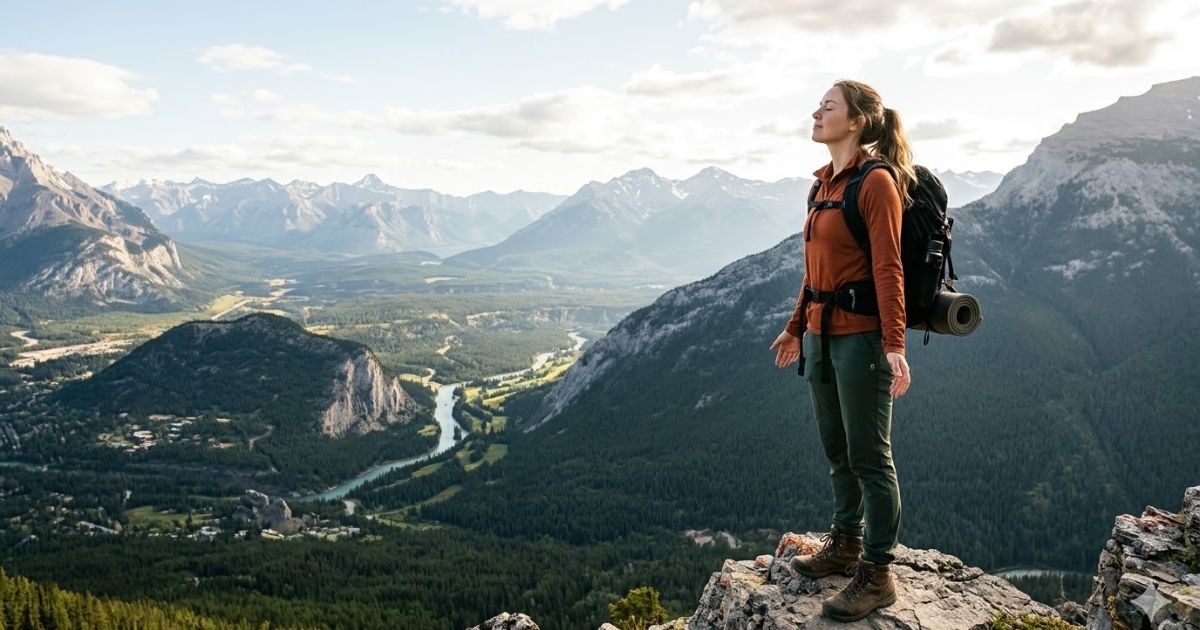
Imagine waking up at 5,000 feet above sea level to the sound of nothing. No alarm. No notifications. No commute. Just the low hum of the wind moving through pine trees, the smell of cold mountain air, and a day ahead that is equal parts physical challenge and profound stillness. By evening, you will have hiked 14 miles, done a guided breathwork session by a glacier lake, shared a fire with strangers who feel oddly like old friends, and slept better than you have in years.
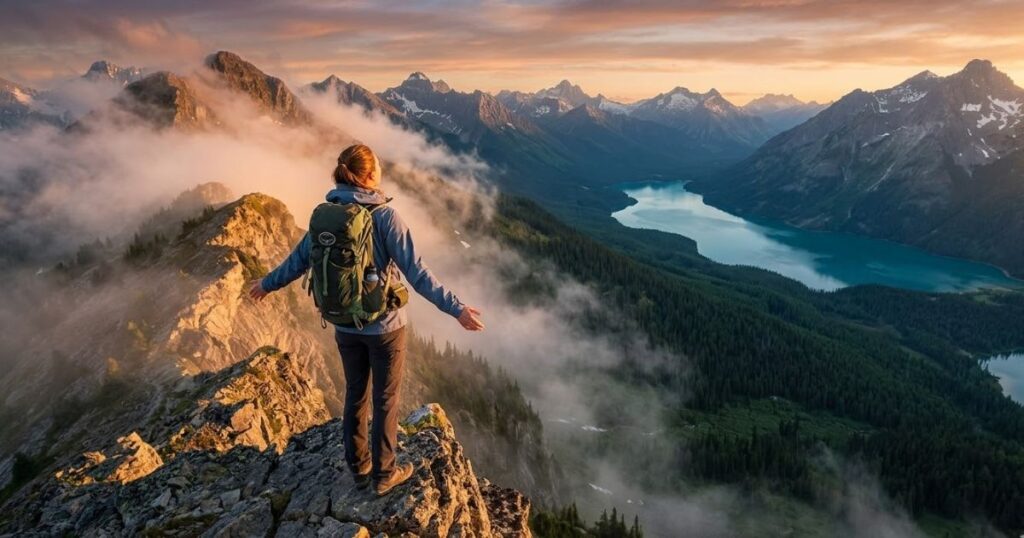
This is not a fantasy. This is spearstates adventure travel and wellness in its purest form.
Spearstates are a new kind of travel experience, one that refuses to accept the tired trade-off between adventure and relaxation. For too long, travelers have been forced to choose: go hard and push your body on an adventure trip, or go soft and rest on a wellness retreat. Spearstates say you can have both. In fact, they argue you need both, that the deepest rest only comes after real exertion, and that the most meaningful growth only happens when you are slightly outside your comfort zone and completely inside the natural world.
In this guide, you will find out exactly what spearstates adventure travel and wellness means, why the science says it works, how the global adventure wellness market is exploding around this very concept, what activities define these experiences, where in the world to find them, and how to build one for yourself. This is the most comprehensive resource you will find on the topic, backed by real data, real research, and a genuine understanding of why this movement is reshaping how we think about travel, health, and what it means to truly take a break.
Key Stat: The global wellness tourism market reached approximately $945 billion in 2024 and is projected to surpass $1 trillion in 2025. The adventure tourism sector is valued at $464 billion and is growing at 18.6% annually. Spearstates adventure travel and wellness sits precisely at the intersection of these two explosive industries.
What Exactly Are Spearstates? Adventure Travel and Wellness Defined
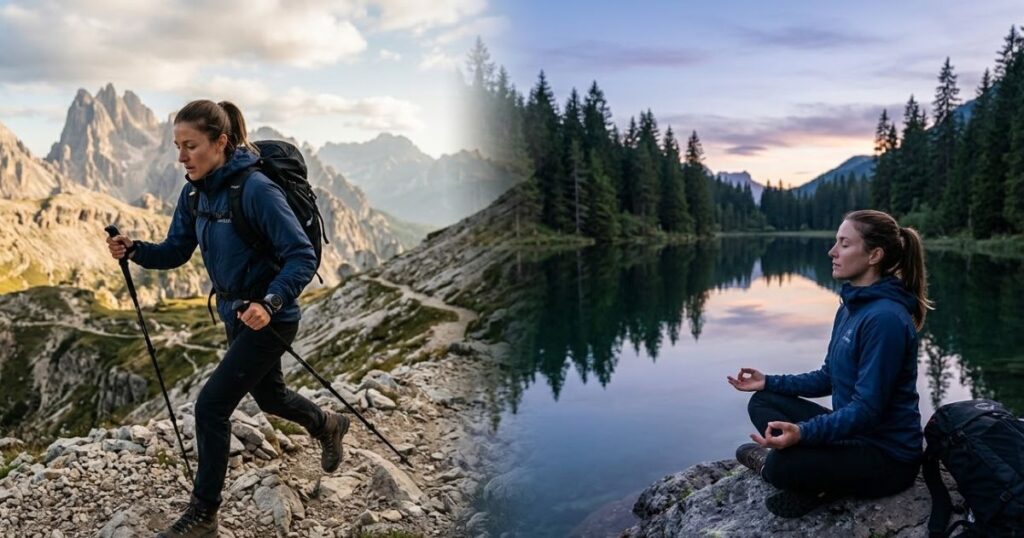
The word itself tells you something important. A spear is precise, directional, and purposeful. A state is a condition of being, a way of existing in the world. Put them together and you get a curated mode of travel that is pointed at something specific: your growth, your recovery, your reconnection with the wild, and your return to yourself.
A Spearstate is not a vacation in the traditional sense. It is not passive. It is not about lying still while things happen to you. It is about deliberately placing yourself in environments and experiences that demand something from you physically, mentally, and emotionally, and then giving your body and mind the tools to integrate and heal from those demands. Adventure and wellness are not two separate itinerary items. They are the same thing, expressed differently across the arc of a single day.
Think of it as the antidote to two failed approaches that dominate travel today. On one side, you have the burnout vacation: a trip so packed with excursions, sightseeing, and logistics that you come home needing another holiday. On the other, you have the passive retreat: a week of spa treatments and green smoothies that feels restorative in the moment but leaves you oddly untouched, like you watched a movie about transformation instead of actually experiencing one. Spearstates reject both of these.
The defining characteristics of a Spearstate experience include a thrilling outdoor activity that challenges and stretches the participant, a restorative wellness practice that deepens the physical and emotional benefit of that activity, immersion in a natural environment that is removed from everyday urban life, a community element that creates genuine human connection, and an intention for personal growth that threads the whole experience together. Remove any one of these and you have either an adventure trip or a wellness retreat. Keep all five and you have a Spearstate.
A Spearstate is not defined by a single activity or destination. It is defined by the integration of challenge, restoration, nature, community, and intention. These five elements, working together, produce outcomes that neither adventure travel nor wellness retreats can achieve on their own.
The Numbers Are Staggering: Why This Movement Is Exploding Right Now
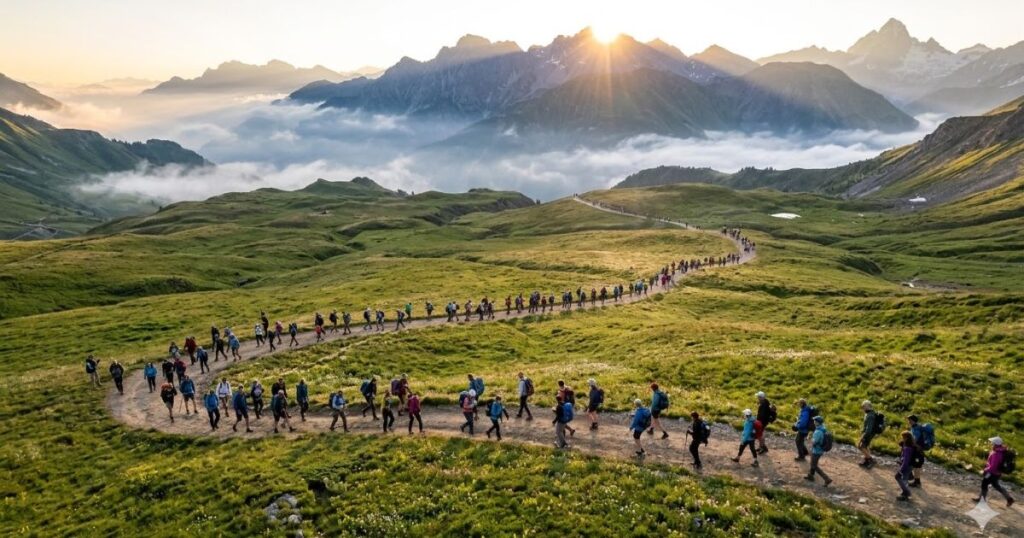
You might wonder whether adventure wellness travel is a niche trend or a genuine cultural shift. The data leaves no room for doubt. This is one of the fastest-growing sectors in the entire global tourism industry, and it is being driven by forces that are not going away anytime soon.
The Wellness Tourism Market
According to Straits Research, the global wellness tourism market was valued at approximately $945 billion in 2024 and is projected to reach just over $1 trillion in 2025. By 2033, it is forecast to hit $2 trillion, growing at a compound annual growth rate of around 8.9 percent. The United States leads the world in wellness tourism spending, with American expenditure exceeding $300 billion in 2023 alone. Germany ranks second at approximately $78 billion.
The Adventure Tourism Market
Grand View Research puts the adventure tourism market at $464 billion in 2025, with a projected CAGR of 18.6 percent through 2033, when it is expected to reach nearly $1.77 trillion. The soft adventure segment, which includes hiking, kayaking, snorkeling, and wildlife safaris, commands a 61.4 percent market share. This is the sweet spot that Spearstates occupy: activities that are genuinely thrilling but accessible to a wide range of fitness levels and experience backgrounds.
The Convergence: Where Spearstates Adventure Travel and Wellness Meets Market Demand
Here is the most important statistic of all. When researchers at Copper Well Retreat analyzed 2025 wellness tourism data, they found that travelers are no longer choosing between adventure and wellness. The fastest-growing segment in both markets is the one that combines them. Adventure-based wellness retreats, nature immersion programs, and active recovery experiences are outpacing both traditional spa tourism and extreme adventure travel in terms of booking growth and consumer demand. The global wellness retreat market alone was valued at $180 billion in 2022 and is projected to reach $364 billion by 2032, according to Allied Market Research.
| Market Segment | Key Data Point |
|---|---|
| Global Wellness Tourism (2025) | Projected at approximately $1 trillion |
| Adventure Tourism (2025) | $464 billion, growing at 18.6% CAGR |
| Wellness Retreat Market (2032) | Projected at $364 billion |
| U.S. Wellness Tourism Spending | Exceeded $300 billion in 2023 |
| Soft Adventure Market Share | 61.4% of all adventure tourism |
| Couples in Adventure Travel | Account for approximately 42% of demand |
| Solo Adventure Travel Growth | Projected CAGR of 18.6% through 2033 |
These numbers tell a clear story. The era of traveling just to escape has been replaced by the era of traveling to transform. People are not just looking for a break from their lives. They are looking for experiences that make them better at living.
The Science Behind Why Spearstates Adventure Travel and Wellness Actually Works
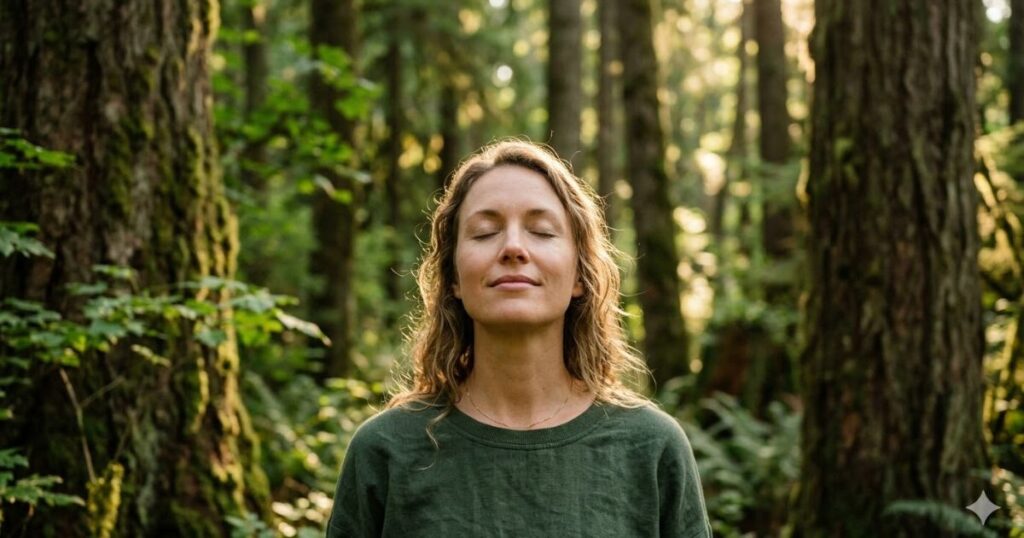
It would be easy to dismiss adventure wellness travel as a marketing concept, a clever combination of two popular buzzwords. But the physiological and psychological evidence is remarkably robust. When you place a human body in a demanding natural environment and then give it space to recover and integrate, something genuinely powerful happens.
What Nature Does to Your Brain and Body
A 2025 meta-analysis published in Behavioral Sciences examined 78 studies involving 4,987 participants and confirmed that nature exposure, even as brief as 10 minutes, produces measurable improvements in stress, anxiety, and depressive symptoms. One of the most consistently documented mechanisms is the reduction of cortisol, the body’s primary stress hormone.
A landmark study found that spending time in natural settings reduced salivary cortisol by 21 percent and salivary amylase (another stress biomarker) by 28 percent. The researchers found that the stress-reduction effect became even more pronounced with 20 to 30 minutes of nature exposure. A separate review of 52 studies from Japan found overwhelming evidence that cortisol levels decreased across all groups when participants were placed in forest environments, regardless of whether they were active or simply observing their surroundings.
But the benefits extend well beyond stress reduction. Research published in Proceedings of the National Academy of Sciences showed that a 90-minute walk in a natural setting reduced rumination, the repetitive negative thought patterns associated with depression and anxiety, compared to a 90-minute walk in an urban environment. Studies also show that 20 minutes in a natural setting can improve short-term memory by 20 percent and significantly enhance attentiveness. For people with ADHD or attention difficulties, the improvements in focus after nature exposure are particularly striking.
The Research Consensus on Nature and Health:Cortisol (stress hormone): Measurably reduced after as little as 10 to 20 minutes in natureBlood pressure: Lower in natural environments compared to urban settingsMood and emotional resilience: Significantly improved with regular nature exposureCognitive function: Short-term memory improved by up to 20% after 20 minutes outdoorsRumination: Reduced after 90 minutes of walking in natural settingsSleep quality: Improved with regular nature immersionImmune function: Nature therapy associated with increased natural killer cell activity
What Adventure Does That Rest Alone Cannot
Physical challenge does something specific and irreplaceable. When you push your body into exertion, particularly in an outdoor setting, a cascade of neurobiological events occurs that no amount of meditation or massage can replicate. Vigorous exercise triggers the release of brain-derived neurotrophic factor (BDNF), often called the brain’s growth hormone, which promotes neuroplasticity, improves learning and memory, and plays a critical role in treating depression.
Adventure activities also reliably induce a state that psychologist Mihaly Csikszentmihalyi called flow: complete absorption in a present-moment challenge that is difficult enough to demand full attention but not so difficult that it produces paralysis. This state is associated with profound feelings of meaning and vitality. It is, by most measures, the opposite of burnout. You cannot manufacture flow in a boardroom or a spa. But you can reliably find it on a mountain trail, in a kayak, or at the edge of a waterfall.
There is also the confidence dimension. Completing a physical challenge that felt genuinely uncertain at the outset produces a specific kind of self-efficacy that transfers powerfully to other areas of life. The person who summits a peak they were not sure they could climb returns home different, not just refreshed, but with a recalibrated sense of what they are capable of.
Why the Combination Is Greater Than the Sum of Its Parts
Here is where Spearstates get genuinely interesting from a neuroscience perspective. The combination of physical challenge followed by deliberate restoration is not just additive. It is synergistic. When the body experiences significant exertion followed by deep rest in a natural environment, it enters a state of what researchers call parasympathetic rebound: a deep and unusually productive recovery phase during which the nervous system essentially resets.
In practical terms, this means you sleep more deeply after a hard day’s hiking than after a day of lying on a beach. Your body processes stress hormones more efficiently. The emotional gains from meditation or breathwork after physical exertion are measurably larger than those achieved through the same practice on a sedentary day. The adventure creates the opening; the wellness practice walks through it.
The Five Pillars of a True Spearstate Experience
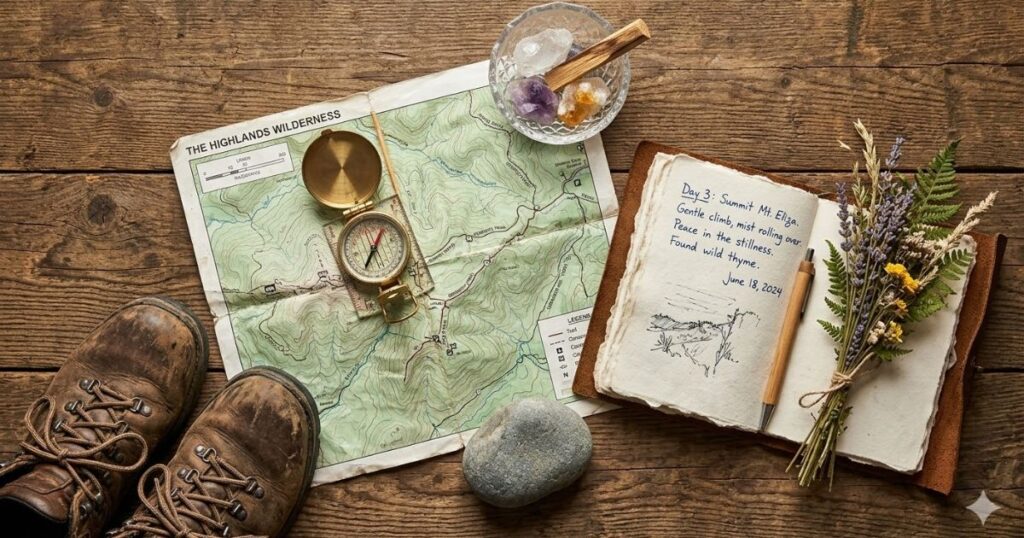
Not every outdoor retreat qualifies as a Spearstate. The concept has a specific architecture, a set of experiential pillars that, when combined, create something qualitatively different from either a hiking tour or a yoga retreat. Understanding these pillars helps you recognize a genuine Spearstate experience and design one for yourself.
Pillar One: Thrilling Physical Challenge
The first pillar is non-negotiable. A Spearstate must contain an activity that genuinely tests you. Not painfully, not dangerously, but at the edge of your comfort zone. This is where the neurobiological magic begins. The activity could be a multi-day trek through a remote mountain range, white-water kayaking, rock climbing, open-water swimming, cold-water surfing, paragliding, mountain biking, or wilderness trail running. What matters is not the specific activity but the quality of engagement it demands.
The threshold is personal. A beginner who has never hiked above 3,000 feet will find a day-long mountain trail as genuinely challenging as an experienced climber finds a technical ascent. The Spearstate does not require extreme athleticism. It requires genuine effort and genuine presence.
Pillar Two: Holistic Self-Care and Restoration
The second pillar is where Spearstates diverge most sharply from standard adventure trips. Every day of physical challenge is paired with a deliberate restorative practice. This might be a morning breathwork session before the day’s activity, an evening sound healing ceremony after a long trail, yoga at dawn with mountain views, guided meditation by a river, traditional hot spring bathing after a day of skiing, or massage therapy specifically focused on athletic recovery.
The key word is holistic. These practices are not optional add-ons or indulgences. They are structural components of the experience, as essential to the outcome as the physical challenge itself. In a true Spearstate itinerary, the wellness practice is not what you do when you are too tired to adventure. It is what you do because you adventured.
Pillar Three: Deep Nature Immersion
The third pillar is the environment. Spearstates are fundamentally nature-based. Urban wellness retreats and gym-based fitness programs have their place, but they cannot replicate what the natural world does to the human nervous system. The specific quality of light in a forest, the bioacoustic complexity of a river, the air pressure at altitude, the temperature of a natural body of water: these are not aesthetics. They are stimuli with measurable physiological effects.
The Japanese practice of shinrin-yoku (forest bathing) is perhaps the most researched example of this principle. Decades of peer-reviewed studies from Japanese universities have documented the immune-boosting, cortisol-reducing, mood-elevating effects of simply spending time in forested environments. Spearstates take this a step further by combining the passive benefits of nature immersion with the active benefits of physical challenge within that same environment.
Pillar Four: Genuine Community
One of the most consistent findings in wellness research is that social connection is not a nice-to-have. It is a biological need, as fundamental to human health as sleep and nutrition. Spearstates are designed around shared experience. When a group of strangers completes a challenging hike together, shares a meal cooked over a campfire, and supports each other through a breathwork session, something profound happens. The shared vulnerability and shared triumph create bonds of unusual depth and speed.
This is why Spearstates are most often experienced in small groups rather than alone or in large resort settings. The intimacy of the group is not an accident; it is an engineering feature. People who have done adventure wellness retreats consistently report that the relationships formed during the experience are among the most authentic and lasting they have ever made.
Pillar Five: A Thread of Intention
The final pillar is the most subtle and the most important. A Spearstate is not just a collection of activities, however excellent each one might be. It is a journey with a direction. The best experiences are guided by a central question, a theme, an arc of growth that connects the physical challenges and the restorative practices into a coherent narrative.
This intention might be about letting go of a chapter of life that has ended. It might be about reconnecting with a version of yourself that got buried under years of professional obligation. It might simply be about discovering what you are physically and mentally capable of. Whatever the specific intention, its presence is what transforms a great trip into a transformative one.
The Activities That Define a Spearstate: From the Wild to the Still
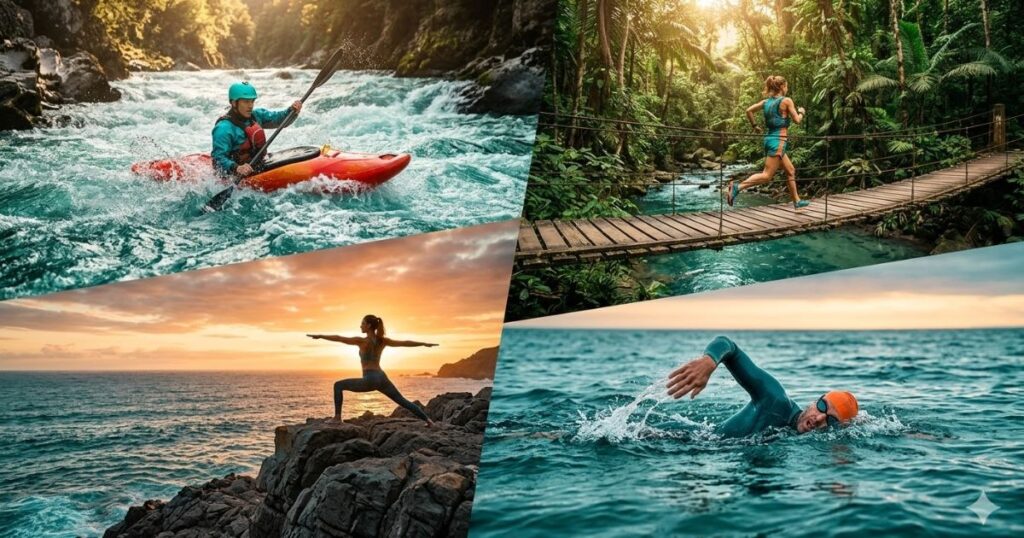
One of the most exciting aspects of Spearstate travel is the sheer range of activities that can fulfill the adventure pillar. There is no single prescribed path. The right activity for a Spearstate is the one that genuinely challenges you while placing you in meaningful contact with the natural world.
High-Exertion Outdoor Adventures
Multi-day trekking is the archetypal Spearstate activity. Whether it is the Inca Trail in Peru, the Tour du Mont Blanc in the Alps, the Tongariro Alpine Crossing in New Zealand, or a remote wilderness route in Patagonia, a multi-day trek combines sustained physical challenge with complete immersion in some of the planet’s most spectacular landscapes. The rhythm of walking for many hours through wild terrain produces a meditative quality that is genuinely unique; experienced hikers often describe the third and fourth day of a long trek as the point where the mind finally goes quiet.
Open-water swimming has emerged as one of the most compelling adventure wellness activities of the decade. Cold-water immersion triggers a well-documented hormonal response that includes a surge of norepinephrine (up to 300 percent in some studies), reduced inflammation, and a powerful mood-boosting effect. Wild swimming communities have grown exponentially across the UK, Scandinavia, and North America, and dedicated open-water swimming retreats are now available across dozens of destinations worldwide.
Mountain biking, white-water kayaking, surf retreats, paragliding adventures, and via ferrata climbing round out the high-exertion options. Each of these activities shares the crucial property of demanding total present-moment focus. You cannot ruminate about next quarter’s targets while navigating rapids. You cannot check your email while reading a trail at 25 miles per hour. This enforced presence is not incidental. It is the point.
Softer Adventure Options (No Less Powerful)
Not every Spearstate involves extreme physical exertion. The soft adventure segment commands 61.4 percent of the adventure tourism market for good reason: it is accessible, sustainable, and deeply effective. Guided wildlife safaris in East Africa, sea kayaking along coastal fjords, snorkeling in biodiverse reef systems, horseback riding through remote mountain valleys, and foraging expeditions in old-growth forests all qualify. The common thread is active, purposeful engagement with the natural world, which generates the neurological and emotional outcomes that define the Spearstate.
The Wellness Activities That Complete the Experience
The restorative counterparts to these adventures are just as varied. Breathwork practices such as the Wim Hof Method, holotropic breathing, and pranayama are increasingly popular in adventure wellness settings because they dramatically accelerate recovery and expand emotional awareness. Yoga, particularly practiced outdoors in a natural setting, provides the physical recovery benefits of stretching and mobility work while anchoring the mind in present-moment awareness. Sound healing sessions using crystal bowls, Tibetan singing bowls, and binaural audio landscapes have a growing evidence base for reducing anxiety and improving sleep quality. Traditional therapeutic modalities like hot spring bathing, hammam treatments, and Ayurvedic massage complete the toolkit.
| Activity Type | Wellness Benefit |
|---|---|
| Multi-day trekking | Sustained endorphin release, enforced mindfulness, parasympathetic rebound |
| Cold-water / open-water swimming | Norepinephrine boost, anti-inflammatory response, mood elevation |
| White-water kayaking | Flow state induction, present-moment focus, full-body conditioning |
| Mountain biking | Cardiovascular health, kinesthetic joy, confidence and self-efficacy |
| Wildlife safari | Awe response, perspective shift, cortisol reduction |
| Breathwork | Nervous system regulation, emotional release, rapid stress recovery |
| Outdoor yoga | Mobility, mindfulness, nature-amplified benefit of the practice |
| Sound healing | Anxiety reduction, improved sleep onset, nervous system reset |
| Forest bathing | Cortisol reduction, immune boosting, mood improvement |
| Hot spring bathing | Muscle recovery, parasympathetic activation, skin restoration |
The World’s Best Destinations for Spearstates Adventure Travel and Wellness
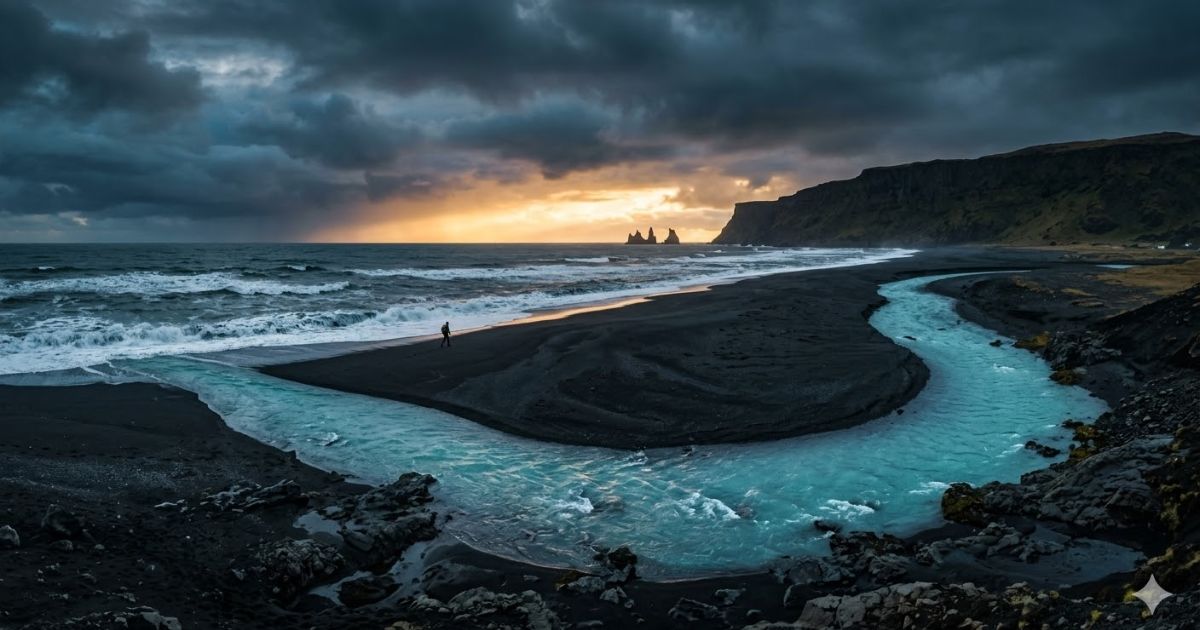
Geography matters in a Spearstate. The destination is not a backdrop. It is a co-participant in your transformation. The best Spearstate destinations share a set of properties: genuinely wild natural environments, altitude or climatic diversity, access to both challenging terrain and restorative infrastructure, and a cultural relationship with nature and wellbeing that enriches the experience.
Iceland: Extremity and Stillness in Equal Measure
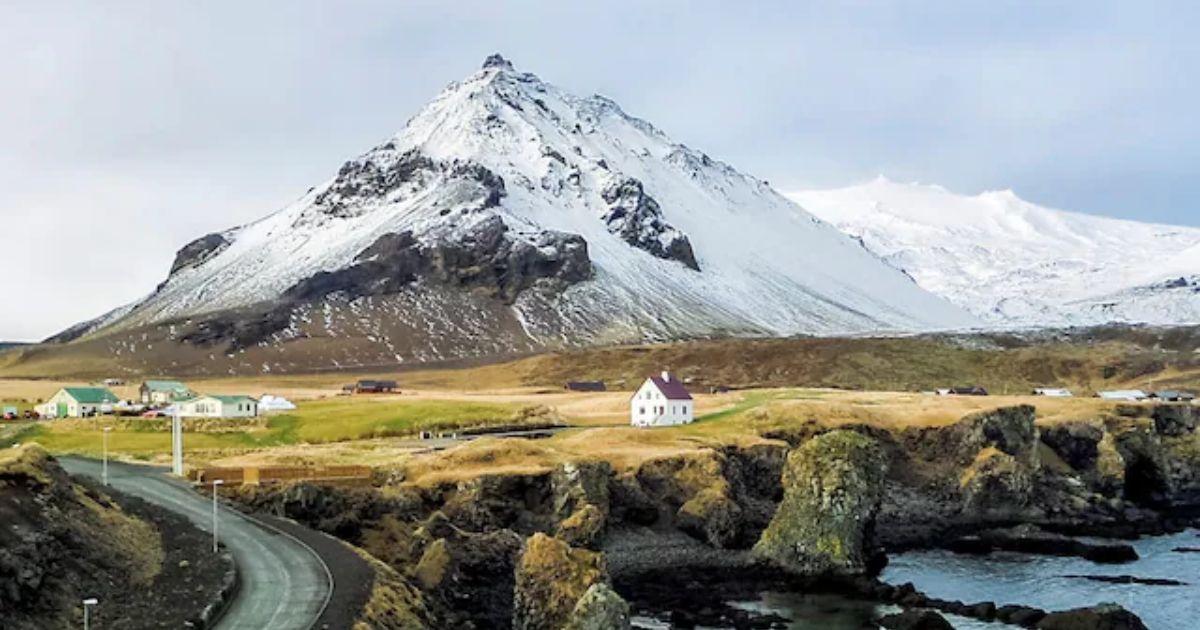
Iceland has become one of the most sought-after Spearstate destinations on the planet, and it deserves every bit of the reputation. The country offers a staggering variety of physical challenges within a remarkably compact geography: glacier hiking, lava field trekking, open-water swimming in geothermal lakes, snowmobile expeditions, and some of the world’s most dramatic sea kayaking routes. The wellness counterpart is equally extraordinary. Iceland’s geothermal culture has produced a network of natural hot springs, luxury spas like the Sky Lagoon and the newly expanded Blue Lagoon, and restorative practices deeply embedded in daily life. Deplar Farm, an exclusive retreat in northern Iceland, has pioneered the model of combining off-grid adventure activities with Viking saunas, cold plunge therapy, and geothermal pool recovery specifically designed for male travelers, illustrating how tailored the Spearstate model can become.
Costa Rica: Jungle, Ocean, and Ancient Wellness
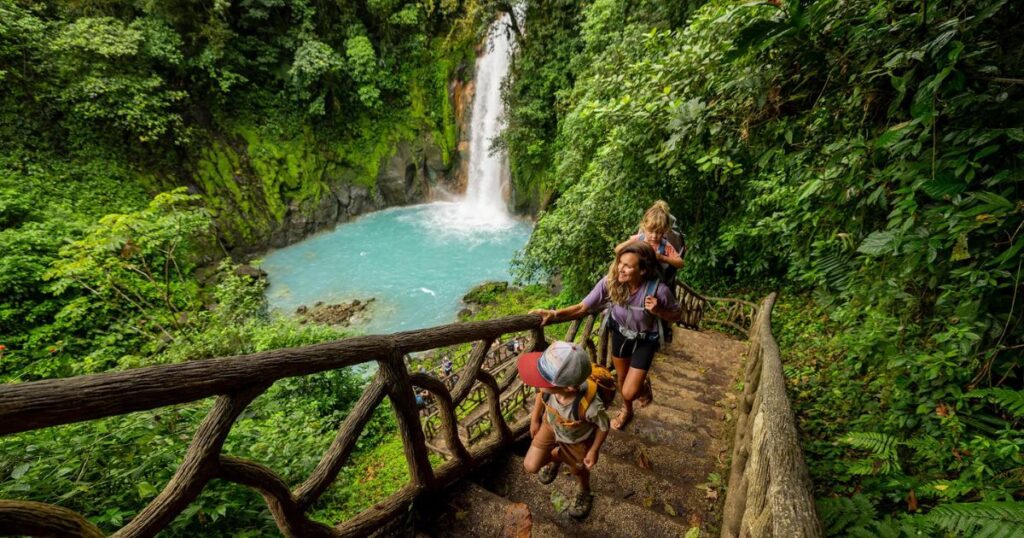
Costa Rica occupies a unique position in the adventure wellness world because it combines extraordinary biodiversity with a deeply established wellness culture. The country’s jungles offer white-water rafting, zip-lining through forest canopies, wildlife tracking, and sea turtle conservation experiences that combine ecological purpose with physical challenge. On the restorative side, Costa Rica has one of the highest concentrations of yoga and meditation retreats in the Western Hemisphere. The Pacific and Caribbean coasts offer surf retreats where the rhythm of morning sessions and afternoon relaxation perfectly mirrors the Spearstate structure. The country’s Pura Vida philosophy, a genuine cultural orientation toward gratitude, simplicity, and presence, infuses the experience with an intention that feels authentic rather than commercially manufactured.
New Zealand: The World’s Adventure Wellness Laboratory
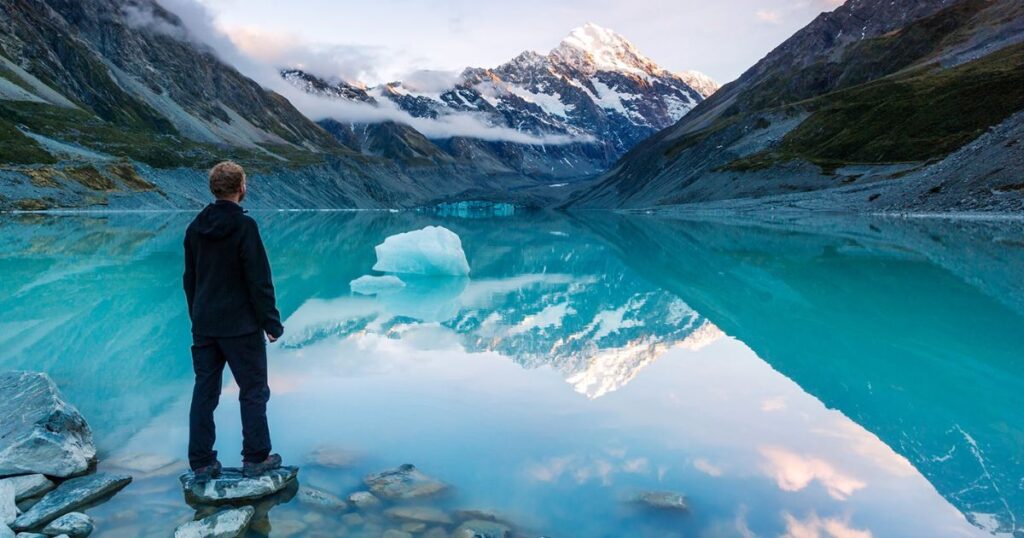
New Zealand was essentially practicing spearstates adventure travel and wellness before anyone had named the concept. The country’s culture has always combined extreme outdoor adventure with a deep reverence for natural beauty and a laid-back approach to wellbeing that prioritizes genuine restoration over performance. The South Island’s combination of fjords, glaciers, mountain ranges, and temperate rainforests provides extraordinary physical challenge. AroHa retreat in the North Island has built an internationally recognized model for combining guided wilderness experiences with transformative wellness practices rooted in Maori culture. The Tongariro Alpine Crossing remains one of the world’s great day hikes, a genuinely challenging volcanic traverse that produces an overwhelming sense of accomplishment and perspective.
The Scottish Highlands: Wild, Ancient, and Unexpectedly Profound
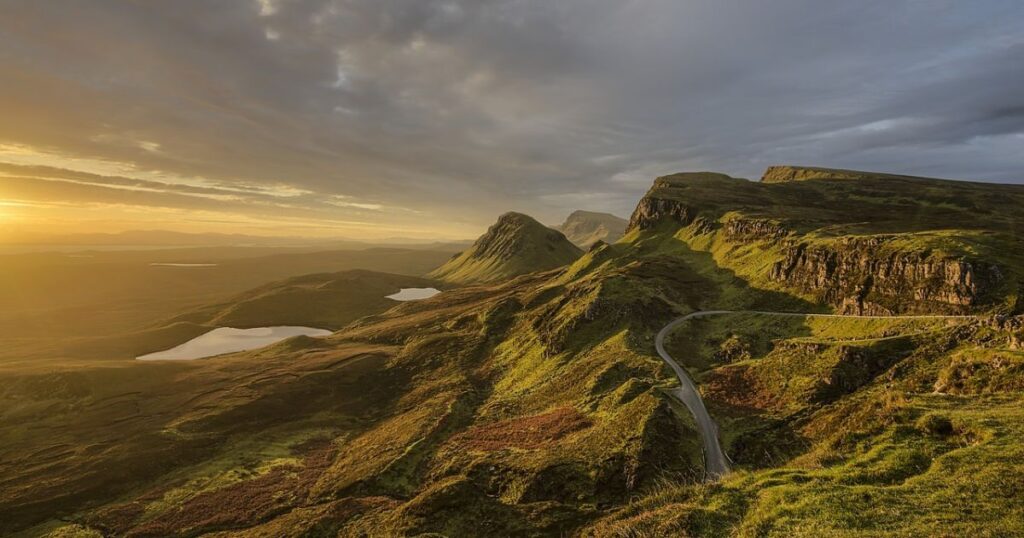
The Scottish Highlands are having a significant moment in the adventure wellness world, and it is entirely warranted. The landscape is one of Europe’s last genuinely wild spaces, vast, ancient, and indifferent to human scale in a way that produces a specific kind of humility and awe. Hiking routes through Glencoe, the Cairngorms, and the Northwest Highlands deliver challenging terrain with views of extraordinary beauty. The growing re-wilding movement in Scotland adds an ecological dimension to the experience that resonates strongly with purpose-driven travelers. The burgeoning scene of bothies, wild camping, cold-water swimming in highland lochs, and whisky-culture wellness retreats creates a distinctive Spearstate flavor that you will not find anywhere else on Earth.
If your travels take you to Europe, don’t miss the new Milan hot spots for the fashion crowd, a perfect blend of cultural immersion and sartorial inspiration.
The Dolomites, Italy: Where Alpine Intensity Meets Dolce Vita
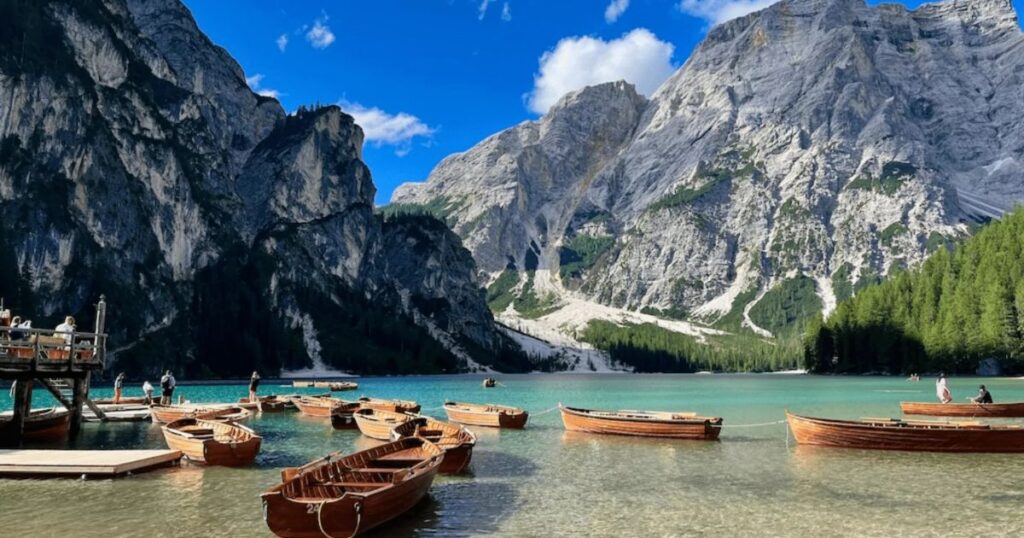
The Dolomites offer one of the world’s most striking combinations of physical challenge and restorative luxury. The via ferrata climbing routes are world-class. The high-altitude trail running scene has exploded in recent years. And yet, at the end of a long day on the mountain, you descend into a culture that has perfected the art of the restorative evening: long communal dinners, Alpine spa traditions, mineral-rich thermal baths, and a pace of life that enforces genuine deceleration. The contrast between the intensity of the terrain and the warmth of the culture is precisely the Spearstate dynamic made geographic.
Patagonia (Argentina and Chile): The Edge of the World
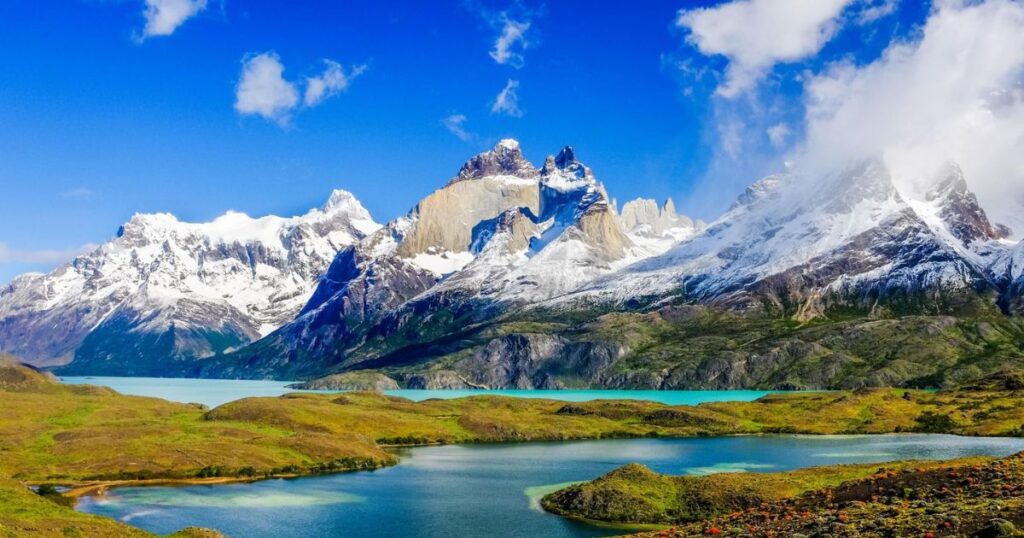
Patagonia is for those who want their Spearstate to feel genuinely epic. Torres del Paine, Los Glaciares, and the Fitz Roy massif offer trekking and kayaking in some of the most remote and spectacular terrain on Earth. The physical demands are real. The distances are long, the weather is unpredictable, and the sense of being genuinely small in the face of a vast, indifferent landscape is inescapable. This is exactly why it works so profoundly. Patagonia does not care about your job title or your to-do list. The land simply is, and in its presence, you become simple too. Eco-lodges and glamping operations throughout the region have developed sophisticated wellness programs that combine the grandeur of the environment with deep restorative practice.
2026 Trends Shaping the Future of Spearstates Adventure Travel and Wellness
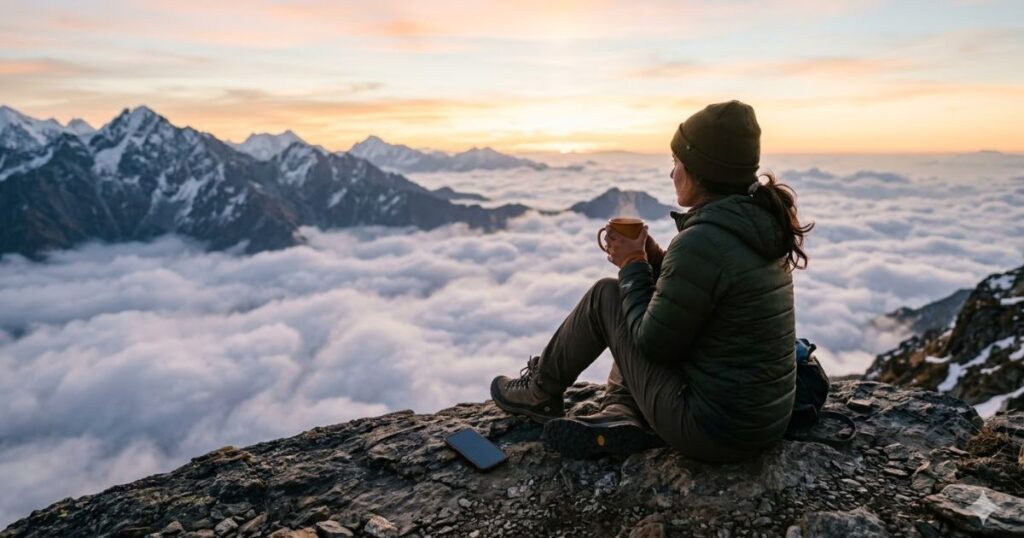
The adventure wellness space is not static. It is evolving rapidly in response to shifting consumer values, new research, and the creative energy of operators who are genuinely passionate about what they do. Here are the most significant trends shaping the Spearstate experience right now.
The Rise of Digital Detox as a Core Spearstate Element
As of January 2025, the average global daily screen time stands at 6 hours and 40 minutes, with Americans averaging over 7 hours and Gen Z clocking up to 9 hours of daily screen exposure. The psychological toll of this level of digital engagement is well documented, including increased anxiety, disrupted sleep, shortened attention spans, and a persistent low-grade sense of disconnection. Operators across the Spearstate space are now building deliberate digital detox protocols into their programs, not as a gimmick but as a structural necessity. Without removing the phone, the forest does only half its work.
Biohacking Meets the Backcountry
Adventure wellness travelers are increasingly arriving at their experiences with sophisticated self-quantification habits: continuous glucose monitors, HRV (heart rate variability) trackers, sleep quality rings, and recovery wearables. The most forward-thinking Spearstate operators are integrating this technology thoughtfully, using it to personalize the challenge and recovery balance for individual participants rather than applying a one-size-fits-all program. The data does not replace the intuitive, embodied experience of being in the wild. But used wisely, it can deepen it.
Regenerative Travel: Leaving Places Better
The 2025 wellness travel landscape is increasingly characterized by what researchers are calling regenerative tourism: travel that does not merely minimize harm but actively restores the places and communities it touches. Spearstates are uniquely positioned to embody this value. Coral reef restoration dives in the Maldives, reforestation projects alongside mountain treks in Costa Rica, and beach cleanup expeditions as part of coastal wellness retreats are all examples of experiences that combine physical challenge with ecological purpose in a way that adds a powerful layer of meaning to the adventure.
Wellness Travel for Men: A Rapidly Growing Segment
One of the most significant demographic shifts in the 2025 wellness tourism data is the rapid expansion of male participation. More men, particularly Millennials and Gen Z, are actively seeking experiences that combine physical adventure with emotional and psychological depth. Interest spans executive health retreats, adventure fitness programs, breathwork, cold exposure therapy, and men’s circle experiences in natural settings. This shift is culturally significant: it represents a broadening of the cultural definition of what strength looks like, toward a model that includes vulnerability, reflection, and genuine self-care alongside physical challenge.
Maintaining your wellness routine while travelling is possible, bring your self-care skincare and wellness practices along in travel-friendly formats so your skin and mind both stay healthy.
Culinary Wellness: Food as Adventure
Food has always been a way to connect with culture, but in 2026 it has become a cornerstone of the Spearstate experience. Foraging expeditions that gather wild herbs, mushrooms, and edible plants before a communal feast. Farm-to-table dinners where the chef is also your guide through the local ecosystem. Fermentation workshops and gut-health cooking classes woven into the retreat itinerary. The integration of nutritional intelligence with physical adventure creates a richer, more complete picture of what it means to take care of your body.
How to Plan Your Spearstates Adventure Travel and Wellness Experience
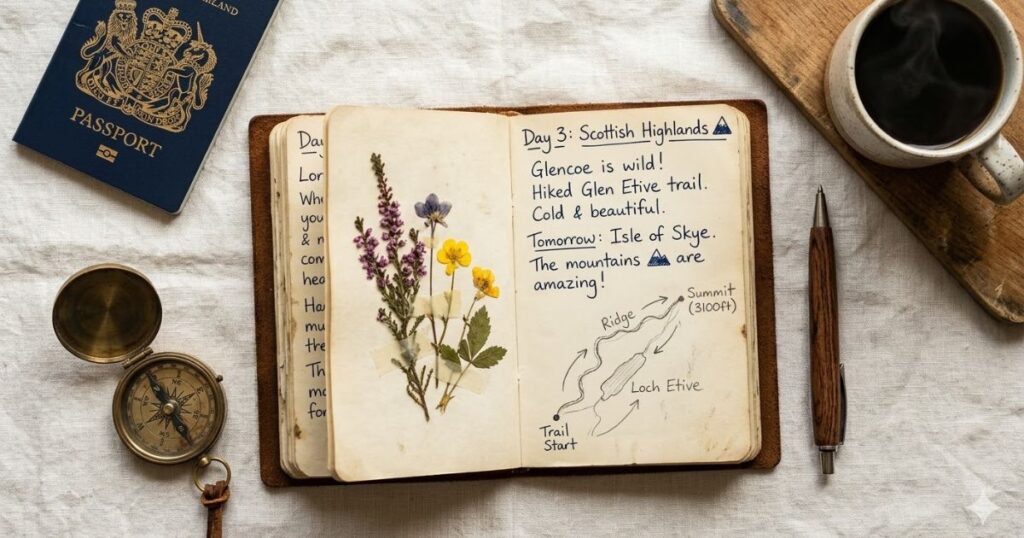
The most common mistake people make when planning an adventure wellness experience is treating it like a regular holiday. They focus on the destination first, the activities second, and the intention not at all. A genuine Spearstate starts from the inside out.
Step One: Define Your Intention
Before you open a single travel website, sit with one question: what do I actually need right now? Not what do I want to Instagram, not what sounds impressive, not what my last holiday was so I should do something different. What do I genuinely need? Is it to reconnect with your body after years of desk work? Is it to process a significant life transition? Is it to discover whether you are capable of more than your current life demands? Your honest answer to this question should drive every subsequent decision about your Spearstate.
Step Two: Match Your Intention to Your Activity
Different physical challenges produce different psychological outcomes. If you need to rebuild confidence and self-efficacy, choose a challenge that has a clear summit or finish line, something where the outcome is unambiguous. Trekking, climbing, and endurance challenges are particularly good for this. If you need to quiet a racing mind and find stillness, choose an activity that requires total present-moment focus but is rhythmic rather than explosive. Open-water swimming, sea kayaking, and long-distance trail running are excellent for this. If you need to reconnect with your senses and strip away the noise of modern life, choose an activity in a particularly wild or remote environment where the landscape itself does much of the therapeutic work.
Step Three: Choose Your Environment
The destination should match your intention. If altitude, scale, and a sense of cosmic perspective are what you need, go to the mountains. If rhythm, fluidity, and a sense of being held are what you need, go to the ocean. If ancient, primordial wildness is what calls to you, go to a forest or jungle. The natural environment is not interchangeable, and the best Spearstate experiences are ones where the specific qualities of the landscape resonate with the specific qualities of what you are working through.
Step Four: Build in Recovery Time
The single most common planning mistake is overscheduling. A Spearstate is not a vacation where you cram as many activities as possible into each day. It requires space: quiet mornings, unstructured afternoons, evenings with nothing to do but eat well and go to bed early. The transformation does not happen during the adventure. It happens in the recovery. Protect that recovery time fiercely in your itinerary.
Step Five: Find Your Community
Whether you join an organized group retreat or create a small private Spearstate with a few trusted friends, the community element matters. Be intentional about who you travel with. The energy and intentions of the people around you will shape your experience more than almost any other variable. If you are joining an organized program, research the operator’s philosophy and community culture carefully. The best programs attract participants who are genuinely committed to growth, and being surrounded by that energy is transformative in its own right.
For travellers navigating US immigration, it’s important to understand how long after a Green Card interview you can travel to avoid any legal complications on your journey.
Choosing an Organized Spearstate Retreat: What to Look ForLook for operators who emphasize small group sizes (typically 8 to 16 participants for the best community dynamic). Check that the itinerary explicitly balances physical challenge with restorative practice every day, not just on certain days. Confirm that your guides have both outdoor leadership credentials and wellness facilitation training. Read reviews specifically for mentions of personal transformation, not just activity quality. Ask the operator what their intention or theme is for the specific experience you are considering. If they cannot answer that question clearly, it is a tour, not a Spearstate.
Building Your Own Spearstates Adventure Travel and Wellness Experience: The DIY Framework
Not everyone can afford a curated retreat, and the beautiful truth is that you do not need one. A Spearstate is a design philosophy, not a product category. With the right framework, you can build a genuinely transformative adventure wellness experience from scratch, anywhere in the world, at virtually any budget.
The framework is simple to understand but requires real commitment to execute. Choose a physical challenge that is genuinely at the edge of your current capability. Identify a natural environment where you can be fully immersed for at least three consecutive days. Plan at least one restorative practice per day, ideally at bookend times (morning and evening). Define a personal intention for the experience before you leave. Invite one or two people whose growth orientation matches yours. Leave your phone in airplane mode for the duration.
Three days is a minimum. Five to seven days is where the deepest transformation tends to occur, because it takes most adults approximately two full days to genuinely decompress from the accumulated stress of modern life before they can begin to access the deeper layers of the experience. A weekend Spearstate can be powerful, but do not expect to do anything more than scratch the surface.
Budget-conscious travelers have more options than ever. National parks across North America, Europe, and Australasia offer extraordinary wilderness access for minimal cost. Wild camping in regions where it is permitted places you directly in the natural environment without the intermediary of a lodge or resort. Free online breathwork and guided meditation resources mean that the wellness component costs nothing. The only non-negotiable investment is your time and your willingness to show up honestly.
The Deeper Truth About Why Spearstates Adventure Travel and Wellness Matters
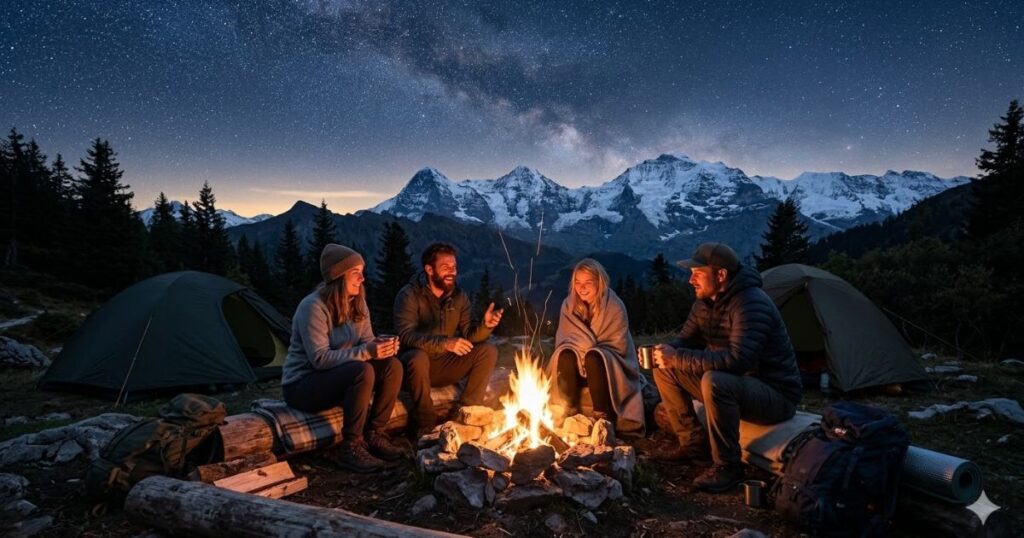
There is a reason this movement is growing at the pace it is. It is not a marketing trend. It is a response to something real and urgent in the way modern life is structured. We have built a world that is extraordinarily efficient at producing external achievements and extraordinarily poor at producing internal wellbeing. The rates of burnout, anxiety, disconnection, and existential confusion in developed nations have never been higher, despite, or perhaps because of, unprecedented material abundance.
Spearstates offer something that the productivity-optimization industry, the wellness industry, and the adventure industry each fail to provide on their own: a complete human experience. One that challenges you and restores you. One that pushes you to your edges and then gives you a safe place to integrate what you discovered there. One that places you in the natural world and trusts that the natural world will do what it has always done: remind you that you are not just a professional role or a collection of anxieties, but a breathing, sensing, capable animal who belongs to the Earth.
You do not need to be an athlete. You do not need to be wealthy. You do not need to be at a particular point in life. You just need to be willing to show up, move your body, go somewhere wild, and let the experience of being genuinely alive do its work.
That is what spearstates adventure travel and wellness is. That is why it works. And that is why, once you have had one, you will spend the rest of your life finding ways to go back.
Ready to start planning your Spearstate? Begin with one honest question: What do I actually need right now? Let the answer guide everything else. The mountains, the forests, and the water will take care of the rest.
Packing for adventure travel can be stylish too — the latest fall fashion trends from New York Fashion Week include practical-meets-stylish silhouettes perfect for travel.
Get more information at NewTrendsHub!